Every day we analyze satellite sea surface temperature imagery, chlorophyll and bait productivity data, surface current charts, and live NOAA marine forecasts to produce this report. The goal is to give you the clearest possible picture of what’s happening on the water before you book a trip or leave the dock.
Conditions move fast in the Keys. Currents shift, bait schools move, and thermal breaks appear and disappear overnight. A report from two days ago isn’t worth much. We try to update this report daily to make sure you have the most up to date info.
Book a Fishing Charter in Marathon with Captain Hook’s!
How to read this report
- Sea surface temperature (SST): Warmer water along the reef corridor (76–80°F) keeps reef fish active and feeding. Cold intrusions from the Gulf side can slow shallow-water species like tarpon early in the morning.
- Chlorophyll / bait productivity: High chlorophyll readings along the reef line mean bait is stacked. This often means yellowtail, mangrove snapper, cobia and others are close behind.
- Surface currents: Moderate Gulf Stream flow past the 408 Hump and Marathon West Hump creates ideal conditions for mahi, blackfin tuna, and wahoo. Slack current along the reef is better for anchoring and chumming.
- Wind and seas: Under 15 knots and seas under 3 feet puts all our trips in play. Anything above that and we focus on protected reef and backcountry options.
Upcoming Fishing Conditions
10/23/2026
Marathon Forecast
Overall Fishing Grade: 62/100 (Fair) — down two from Thursday’s 64 as the northeast breeze rebuilds and backs the day up, taking the stretch off the top it reached yesterday. A fresh northeast wind of 15 to 20 knots settles in behind the departed system and a developing low near the Bahamas and holds steady through the day, so Thursday’s calm gives way: Hawk Channel stands back up to a choppy 2 to 3 feet, the Straits of Florida build to 3 to 5 feet occasionally 6, and a stray shower or isolated thunderstorm comes back into the picture. This turns offshore from Thursday’s all-day window into a go-early, size-it-to-your-boat call, and it pushes the day’s weight firmly onto the reef — which stays genuinely fishable and carries two real advantages of its own: a green, bait-rich band of water still hugs the reef line in warm water near 85 degrees, and a long, building flood runs from the pre-dawn low all the way to a 1:45 PM high, so clean moving water covers the entire middle of the day and lines up with the mid-morning solunar major. This is an honest Fair and a step down from yesterday, not a washout: the reef is the dependable play, the fall snapper pattern is in, grouper season is open, and a capable boat can still pick an early offshore run before the chop stacks up. Fish the long morning flood on the green reef edge, duck into the lee when the breeze builds, and take any offshore run early.
CONDITIONS SNAPSHOT (peak window 6 AM–6 PM EDT)
- Sunrise about 7:26 AM, sunset about 6:50 PM.
- The northeast wind freshens back to about 15 to 20 knots and holds there all day, veering slowly from north-northeast in the morning to east-northeast by late afternoon, as high pressure builds behind the departed front and a low develops near the Bahamas — a clear step up from Thursday’s light-to-moderate easing breeze, with no midday lull, and the headline change of the day.
- Seas back up with it: Hawk Channel stands up to a choppy 2 to 3 feet, occasionally 3 to 4 to the west, and the Straits of Florida build to 3 to 5 feet occasionally 6 on a short northeast period near 5 seconds — so offshore is reachable only early and only for a capable boat, not the all-day window of yesterday.
- The sky turns less settled too, with a chance of passing showers and a slight chance of a thunderstorm returning after the driest day of the week.
- The water is still warm: near 84 to 85 degrees on the reef and out to several miles beyond it, easing about a degree to the mid-83s farther offshore in a soft, gradual gradient rather than a sharp break.
- The bay side has cooled to about 81 to 82 degrees and is stirred and murky under the breeze.
- The water-color story is on the reef: a green, bait-rich band still hugs the reef line the length of the Middle Keys, going to clean blue water within about 3 miles, with no weedline or color change showing offshore.
- The barometer sits high near 30.00 inches and holds steady to gently rising under the building high — a stable, bite-organizing reading.
- Moon is a waxing gibbous about 90 percent lit, building toward the October 26 full moon and rising in the late afternoon near 5:10 PM — more solunar pull each day now, but with the moon swinging back across the equator the daytime tide stays soft, so this is not a spring-tide setup despite the nearly full moon.
- Tides at Vaca Cut run a pre-dawn high at 1:01 AM (about 1.15 ft), an early-morning low at 5:00 AM (about 0.80 ft), an early-afternoon high at 1:45 PM (about 1.23 ft), and a late-afternoon low at 5:13 PM (about 0.93 ft), with the next high just before midnight — a soft daytime range near 0.44 ft governed by the moon’s declination, not its phase.
- The shape is the day’s rhythm: a long, building flood up from the 5:00 low through the whole morning to the 1:45 high, then a short ebb to the 5:13 low — so the moving water, though modest in magnitude, runs clean and builds across the entire middle of the day.
- The solunar favors the late morning: a major window about 10:00 AM to 12:00 PM sits right on that long flood into the 1:45 high — the premium daylight overlap and the best moving water of the day — with a minor near the 5:13 low and the evening major running after dark.
- The take-home: the breeze has rebuilt and backed the day up, so lean on the green reef edge and the long late-morning flood into the high, work the lee as the chop stacks, and take any offshore run early.
WHY THIS GRADE
This is a Fair day, and an honest step down from Thursday’s 64, because the one thing that made yesterday the top of the stretch — a settled, light-to-moderate breeze with offshore open all day — is exactly the thing that reverses today. A fresh northeast 15 to 20 knots stands Hawk Channel back up to a choppy 2 to 3 feet, builds the Straits of Florida to 3 to 5 occasionally 6, and brings a stray shower back under a less settled sky. That pulls the day’s weight off the all-day two-bucket setup and onto the reef, and it drops the grade two points to 62. What holds it at a solid Fair rather than lower is that the reef itself stays genuinely fishable and has the day’s best setup: a green, bait-rich band still riding the reef line in warm water, a long building flood that runs clean through the entire middle of the day and overlaps the mid-morning solunar major, a high, stable barometer, the dependable fall snapper fishery, and open grouper season.
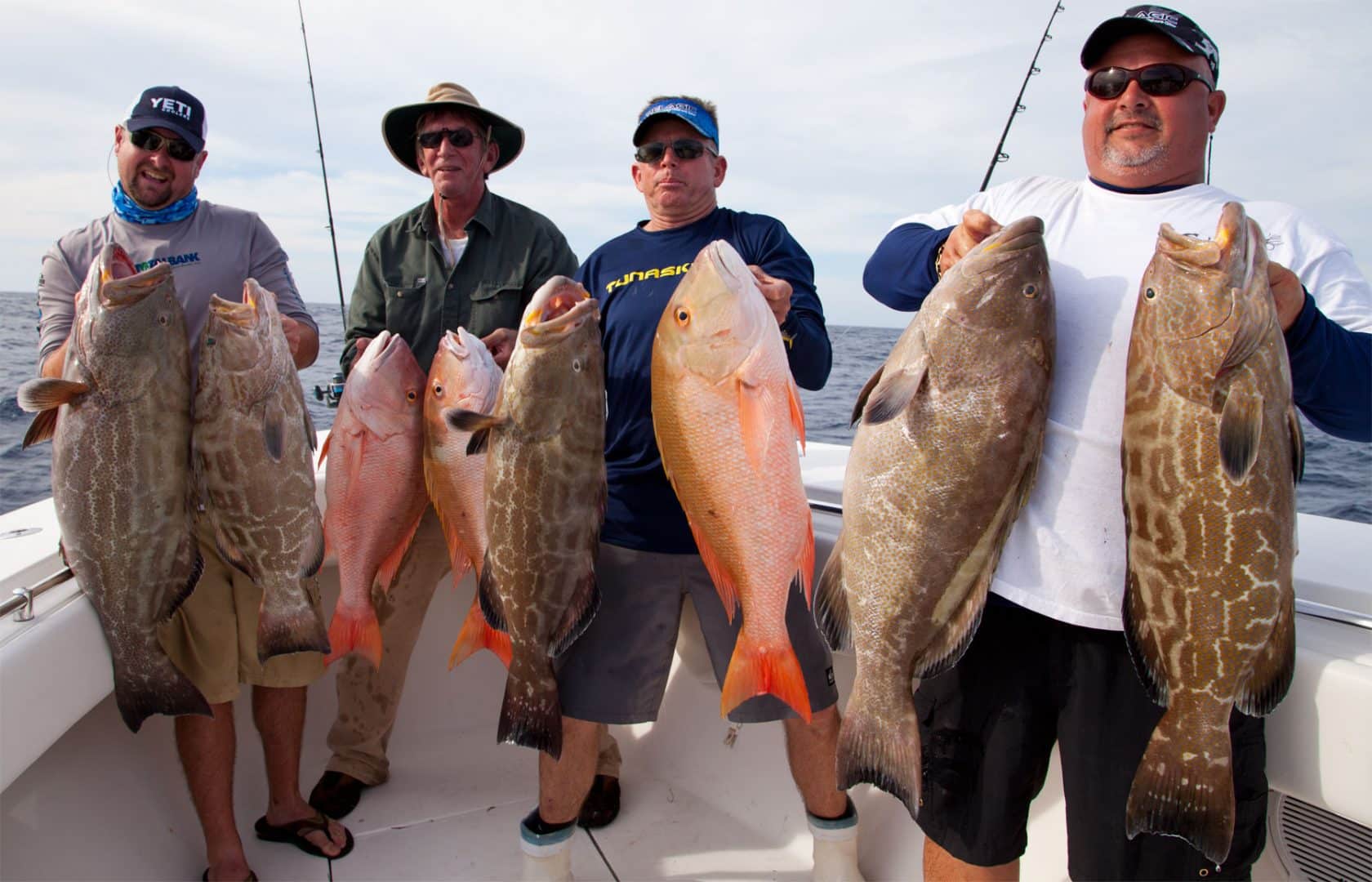
Start with the reef, because it is the day’s most dependable and most accessible play and it holds up to a fresh breeze better than anything else on the board. A northeast wind in the 15-to-20 range and a choppy 2-to-3-foot Hawk Channel are fishable on the Atlantic-side reef line, especially behind the lee of the reef and the patches, and the water there is warm, near 84 to 85 degrees, and green with bait right along the reef line before it turns clean blue a few miles out. That green edge is where the food is, and it is the line to fish. The move is to set up on the reef line and the patches for the long building flood up to the 1:45 high, when the day’s cleanest moving water lines up with the solunar major from about 10 AM to noon. Yellowtail lead the board on that green edge and the long flood, though the chum slick will stream and break up faster in the fresher breeze than it did on yesterday’s calm, so anchoring to hold a tight slick and lengthening leaders matters more today. Mangroves and open-season grouper on structure are the steadier, chop-tolerant plays that shrug off the breeze, and muttons want a livelier bait worked on the sand-to-structure edges as the flood pushes through the morning.
Offshore steps back from yesterday’s all-day window to a go-early, capable-boat call. The Straits build to 3 to 5 feet occasionally 6 on a short northeast chop, and the wind holds at 15 to 20 rather than laying down, so the comfortable window is the early hours before the sea state stacks up — not the afternoon. The water offshore is clean and blue, and yesterday’s cooler patch over the humps has spread out into a soft, one-degree gradient rather than a sharp break, so there is no single feature to aim at. The strong push of the current sits well out, roughly 25 miles and beyond, and it runs to the east-northeast — straight into today’s northeast wind, which steepens and stacks the sea out there, so the farther out you run, the rougher it gets. A northeast-wind-over-blue setup is still a classic early-fall sailfish and pelagic trigger, and blackfin on the deep humps lead the bucket, with mahi and sailfish on the troll and wahoo a bonus along the drop-off. The honest call is to go early, keep the run short and sized to the boat and crew, fish the humps and the near drop-off rather than chasing the current, and be ready to turn back if the chop builds past comfort.
The flats and backcountry are the toughest bucket today, pushed down by the fresh northeast breeze, cooler bay water, and the soft tide. A 15-to-20-knot wind dirties the open flats, the bay side has cooled to around 81 to 82 degrees and is stirred and murky, and the soft daytime range gives only modest push, so the open-flat sight game is low-percentage and the honest play stays in the lee: a crab pitched to a wreck or channel edge for permit, and the leeward bridges and mangrove banks for a snook or a late-season tarpon tight to the shadow lines on the moving water, where the northeast wind stacks bait against the structure. These are fair release shots for anglers who know their protected water, not a sight-fishing day.
The cautions that shape the day are the fresh breeze and building sea first, then the shower risk and the soft tide. The northeast wind runs 15 to 20 knots all day and the seas build with it, so offshore is an early, capable-boat call — and rougher the farther out you go, where the current runs against the wind — while the nearshore and reef get choppy by midday. Fish the morning, work the lee as it stacks, and re-check the latest marine forecast before you leave the dock, because the wind is trending up toward the weekend. A stray shower or an isolated thunderstorm is possible under the less settled sky, so keep an eye on the horizon. And the fresh local catch signal is light and reef-leaning — a recent nearby-Keys reef read of active yellowtail and snapper fits the season, with aged, regional offshore mentions of blackfin and mahi — but there is no same-day first-hand Marathon dock count, so the read rests on water, season, and the green reef setup more than on fresh reports, with the quiet offshore and flats reading as unseen rather than slow.
ZONE-BY-ZONE GAME PLAN
- Reef & Structure (20–120 ft): The day’s most dependable play and the one that holds up best to a fresh breeze. A northeast wind of 15 to 20 knots and a choppy 2-to-3-foot Hawk Channel are fishable on the Atlantic-side reef line, especially in the lee of the reef and the patches, so set up on the reef line for the long building flood up to the 1:45 high, when the day’s cleanest moving water meets the solunar major from about 10 AM to noon. Work the warm, near-85-degree reef line where the green, bait-rich band rides the edge: chum for yellowtail — anchor to hold a tight slick, because the fresher breeze will stream and break it up faster than yesterday’s calm, and lengthen leaders as it stretches — and lean on the steadier structure bite, with mangroves on the up-current patch edges and open-season grouper bridled tight to the hard bottom and wrecks as the most chop-tolerant play. Place a livelier bait on the sand-to-structure edges for muttons as the flood pushes. Fish the long morning build, then keep working it to the 1:45 high before the afternoon chop stacks.
- Offshore (a go-early, capable-boat call as the Straits build to 3–5 ft occ 6; clean blue water, soft gradient, strong current 25+ miles out): Reachable only early today, and only for a capable boat, as the northeast wind holds at 15 to 20 knots rather than laying down. The water is clean and blue with only a soft one-degree temperature gradient a dozen-plus miles out — no weedline, color change, or sharp break — and the strong current sits roughly 25 miles and beyond, running into the wind and stacking the sea there. Keep the run short: jig or live-bait the deep humps for blackfin, troll the near drop-off for mahi and sailfish, and drag a high-speed wire spread along the drop-off for wahoo as a bonus. A northeast-wind-over-blue setup is the classic early-fall sailfish trigger, so let season and the wind guide the run rather than a feature. Go early before the chop stacks, size the run to your boat and crew, and be ready to turn back if the sea builds past comfort.
- Backcountry & Bridges: The toughest bucket today and a lee-structure play, held down by the fresh northeast breeze, cooler and murkier bay water, and the soft tide. A 15-to-20-knot wind dirties the open flats, the bay side has cooled to about 81 to 82 degrees and is stirred up, and the soft daytime range gives only modest push, so the open-flat sight game is low-percentage. Work the lee: pitch a crab to a wreck or channel edge in the lee for permit, and fish the leeward bridges and mangrove banks for a snook or a late-season tarpon tight to the shadow lines on the moving water, where the northeast wind stacks bait against the structure. These are fair release shots for anglers who know their protected water.
RECENT LOCAL CATCH SIGNAL — Light (reef-leaning)
The fresh signal is light again this run, and what there is of it leans reef with regional footnotes. A recent nearby-Keys read describes active yellowtail fishing and reef snapper consistent with the fall pattern, and aged regional mentions of a blackfin and mahi bite round out the offshore picture, though those are weather-boxed today by the fresh northeast breeze. None of it is a same-day first-hand Marathon dock count, and much of the real local signal lives on login-gated pages this run cannot reach, so the quiet offshore and flats read as unseen rather than slow. Net: a seasonally sound reef read carried by warm water, the green reef-line band, and the dependable fall structure bite more than by fresh volume, with offshore and flats both awaiting first-hand reports they did not get this run.
SPECIES FORECAST (all 13, highest to lowest)
| Species | Score | Technique | Location | Notes |
|---|---|---|---|---|
| Yellowtail snapper | 64 | Anchor & chum, long fluoro leaders | Reef line & patches, 30–90 ft | The top card on the green, bait-rich reef edge and the long building flood into the 1:45 high, but the fresher breeze streams and breaks the slick faster than yesterday — anchor to hold it tight and lengthen leaders as it stretches, and expect to work for it more than on the calm. |
| Mangrove snapper | 59 | Lighter leaders, quiet approach, up-current patch edges | Patch reef & wrecks, 20–60 ft | A steady structure call that shrugs off the chop better than the open-water bite and sits right in the green reef-line water — work the up-current patch edges on the building flood and let precise bait placement, not heavy tackle, carry it. |
| Grouper (OPEN!) | 56 | Big live baits bridled tight to structure | Wrecks & hard bottom, 60–120 ft | Season is open and the deeper hard-bottom play is the most breeze-tolerant card on the board — bridle a big live bait tight to structure and turn its head early on the building morning water. |
| King/Spanish mackerel | 55 | Flashy troll / stinger-rigged live bait, wire | Nearshore & reef edge, 20–50 ft | The weather-adaptive bright spot: a fresh northeast breeze stacks bait along the windward reef edge and lights up the fall run, so keep a flashy troll or a stinger-rigged live bait moving close to home with wire ready for the cutoffs. |
| Mutton snapper | 54 | Live pinfish / plugged ballyhoo on the edge | Reef & structure edges, 40–90 ft | At home on the sand-to-structure edges where the green reef water meets the blue as the long flood pushes bait through the morning — place a livelier bait precisely on the edge and watch the build toward the 1:45 high for the better window. |
| Blackfin tuna | 51 | Live bait / vertical jigs on the humps | Offshore humps & near drop-off, 120 ft+ | Leads the offshore bucket on the recent bite and the fall pattern, but the fresh breeze boxes the run to the early hours — jig or live-bait the deep humps first thing and skip the long run to the current, where wind against current stacks the sea. |
| Wahoo | 46 | High-speed wire troll along drop-offs | Offshore drop-off & humps | The fall speed window is opening and the near drop-off is the line to drag a high-speed wire spread — a bonus for the capable boats making an early run, not a reason to push a building sea. |
| Tarpon (RELEASE) | 44 | Live bait on the moving water, bridge shadow lines | Bridges & channels in the lee | Fall-transition fish hold to the bridges and cuts, and the leeward shadow lines on the moving water are the honest shot as the northeast wind dirties and cools the bay-side water — a fair release play capped by the soft range and the breeze. |
| Mahi-mahi | 43 | Troll the near drop-off & any weedline | Offshore, inside the strong current | Past the summer peak, with no weedline or sharp temperature break to aim at today, the trollers work the clean blue water off the drop-off on an early run — a bonus fish, not a target to chase into building chop. |
| Sailfish | 42 | Kite / live bait off the drop-off | Offshore drop-off, 120 ft+ | A northeast-wind-over-blue front is the classic early-fall sailfish trigger in clean blue water — slow-troll or kite live baits off the drop-off early, before the breeze stacks the sea past kite comfort. |
| Snook (RELEASE) | 41 | Live bait tight to structure on the tide | Bridges & leeward mangrove banks | A lee-structure play as the fresh breeze pushes bait against the banks — swim a live bait tight to the leeward bridges and mangrove edges on the moving water, where the fish stack to ambush out of the wind. |
| Permit (RELEASE) | 38 | Live crab pitched up-current, wreck in the lee | Wrecks & channel edges | The fresh breeze, murky bay water, and soft tide take the open-flat sight game off the table, so pitch a crab to a wreck or channel edge in the lee for the most honest shot of the day. |
| Bonefish (RELEASE) | 35 | Sight-fishing sheltered flats, shrimp or crab | Flats & adjacent deeper edges | The toughest card on the board — a fresh northeast breeze clouds and cools the water and chops the flats, taking away the clean water a tailing sight game needs, so this is a late, patient shot on a sheltered lee flat only if a real pocket of calm and sun opens up. |
BEST BITE WINDOWS
- 1) The late-morning build, about 10:00 AM–12:00 PM (the solunar major sits right on the long flood into the 1:45 PM high) — the day’s premium window and the one to build a trip around: the best moving water of the day on the solunar major, fished on the warm, green reef edge.
- 2) First light into mid-morning, about 7:26–10:00 AM (fishable, on the early flood before the sea builds) — a solid warm-up on the reef, and the most manageable sea of the day for a capable boat that wants a short early offshore run to the humps.
- 3) The late-afternoon ebb, about 4:00 PM–5:13 PM (a short outgoing to the 5:13 low with a solunar minor near the turn) — a final shot of moving water on the reef and in the lee as the day winds down; the evening major runs after dark, by which point the breeze is still up.
SAFETY & NOTES
The headline today is the fresh breeze and the building sea. The northeast wind runs 15 to 20 knots all day with no midday lull, Hawk Channel stands up to a choppy 2 to 3 feet, and the Straits build to 3 to 5 feet occasionally 6 — so offshore is a go-early, capable-boat call, not an all-day window, and the nearshore and reef get choppier by midday. The strong current well offshore runs against the northeast wind, which steepens the sea out there, so the farther you run, the rougher it gets. No Small Craft Advisory is posted in the latest marine issuance, but the wind is trending up toward the weekend, so fish the morning, work the lee as the chop stacks, size any offshore run to your boat and crew, and re-check the latest marine forecast before you leave the dock, as the exact wind timing can shift. A stray shower or an isolated thunderstorm is possible under the less settled sky — keep an eye on the horizon and the radar. Spiny-lobster season is open, so there may be dive flags in the nearshore water — slow down and watch for divers. Warm and pleasant in the low-to-mid 80s, breezy, with a mix of sun and passing clouds.
LINKS & DEALS
- Full daily conditions page: https://captainhooks.com/daily-fishing-conditions-marathon-fl/
- Book a charter: https://captainhooks.rezdy.com/catalog/66597/fishing-charters
#MarathonFishing #FloridaKeysFishing #CaptainHooks #FishingReport #YellowtailSnapper #MangroveSnapper #Grouper #ReefFishing #MackerelRun #BlackfinTuna #BackcountryFishing #FloridaKeys #FishingForecast
What to Expect When Fishing in Marathon, FL
Marathon sits at the heart of the Florida Keys, with easy access to the Atlantic reef tract to the south and Florida Bay to the north. That geography gives anglers access to three completely different fisheries within a short run of the dock. Try offshore bluewater, nearshore reef and wreck, and shallow backcountry flats.
Offshore fishing
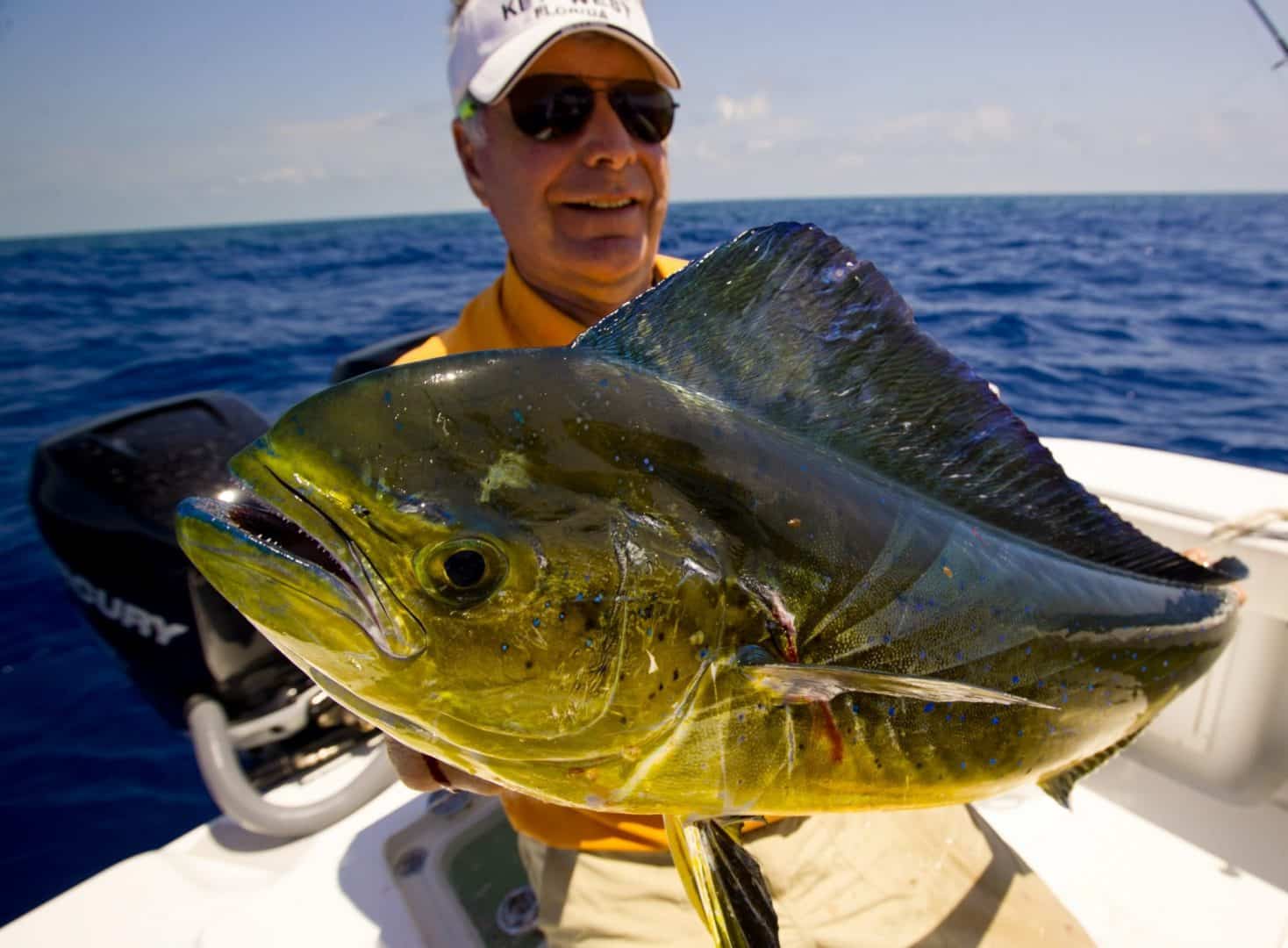
The Gulf Stream runs close to the Keys year-round, pushing warm, clean bluewater within 15–20 miles of Marathon. Offshore structure like the 408 Hump and Marathon West Hump concentrate baitfish and attract pelagics in numbers that few places on the East Coast can match. Mahi-mahi are the bread-and-butter species spring through summer, with blackfin tuna and wahoo filling the box on the right day.
Reef and wreck fishing
The Florida Keys reef tract is one of the most productive fishing grounds in North America. Yellowtail snapper and mangrove snapper are on the reef virtually every day of the year. Mutton snapper and cobia show up in numbers during spring. Expect action from grouper (when in season), amberjack, cero mackerel, and barracuda.
Backcountry and flats fishing
Florida Bay and the grass flats north of Marathon are some of the best tarpon and bonefish water in the world. Tarpon migrate through the Keys from April through July in serious numbers. Permit, snook, and redfish round out the backcountry offering.
Seasonal fishing guide for Marathon, FL
- Winter (Dec–Feb): Yellowtail and mangrove snapper fire up in cooler water. Sailfish peak offshore. Calm weather windows make for excellent bottom fishing days.
- Spring (Mar–May): The best all-around season. Mahi arrive in force by March. Cobia move through the reef. Tarpon migration kicks off in April.
- Summer (Jun–Aug): Mahi, tuna, and wahoo offshore. Consistent reef fishing. Morning trips are the move before afternoon thunderstorms build.
- Fall (Sep–Nov): Kingfish move in. Reef fishing stays strong. Cooler temps and lighter crowds make fall an underrated time to fish the Keys.
Bait, tackle, and trip planning
Our Marathon bait and tackle shop carries fresh, live, and frozen bait along with everything you need for a day on the water. For a fully guided experience, our Marathon fishing charters cover all three fisheries. Also fishing out of Big Pine Key if that puts you closer to the action.
Marathon • Big
Pine Key • Key West
Ready to Fish?
Charters run daily. Reef, offshore, and flats. Book online or give us a call.