
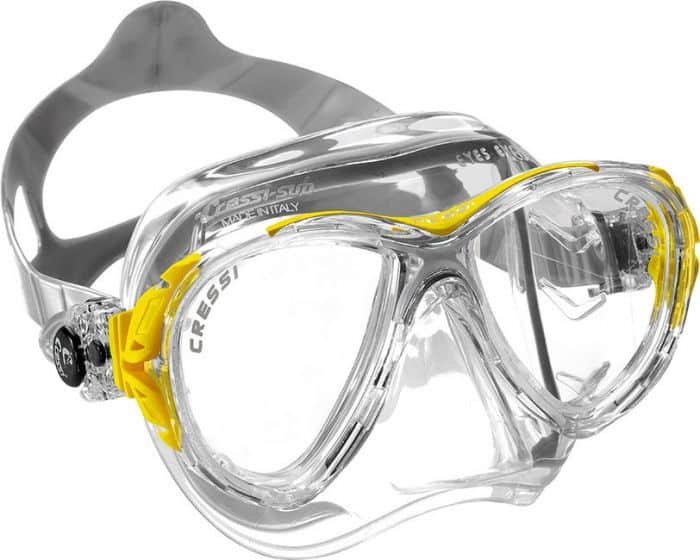
You bit the bullet. You bought a really nice mask that will last a long time (if you take care of it!), it’s comfortable, it doesn’t leak, and the color is fabulous. And it will not stop fogging up. You’re completely miserable, and it’s because nobody told you that a brand-new scuba or snorkel mask has to be cleaned before its first dive.
Why a Brand-New Mask Fogs (It’s Not You)
Every manufacturer puts a very thin silicone film on the inside of a mask’s lenses. It protects the glass through manufacturing, shipping, and storage. If you don’t remove it, condensation from your breath gets between that film and the glass, and the mask will never stop fogging.
No amount of defog spray, spit, or baby shampoo will fix it until the film is gone. This is true of every new mask, whether you bought it for scuba diving or for snorkeling.
How to Clean a New Scuba Mask: Step by Step
What You’ll Need
You only need one of these two, and you probably already have both:
- Plain white non-gel toothpaste. The mildly abrasive kind that polishes your teeth. No gels, no whitening beads, no glitter.
- Soft Scrub. This is our preference at the shop, and it’s what PADI recommends too.
The Steps
- Put a pea-sized dab on the inside of each lens.
- Work it over the whole inside surface with your fingertip using firm, swirling pressure. Get right into the corners and along the edge where the glass meets the skirt. Those edges are where fog starts.
- Let it dry.
- Rinse with warm (not hot) soapy water and dry thoroughly.
- Repeat. Most masks need this done five to seven times before the film is completely gone.
One pass is almost never enough. If your mask still fogs after cleaning it once, that doesn’t mean the method failed, it means the film isn’t fully off yet. Keep going.
Once the film is off, breathe through your regulator or snorkel rather than in through your nose. Warm breath through the nose is what puts condensation on the lens. On scuba you’ll still exhale through your nose to equalize the mask on the way down and to clear it if it floods, and that’s fine. It’s the steady nose breathing that fogs a mask.
What Not to Do: The Lighter Trick
You’ll see divers online burning the film off with a cigarette lighter. We don’t recommend it and we don’t do it to customer masks.
Running a flame across tempered glass can create weak spots, and a weakened lens can shatter when it hits cold water. It will also void the manufacturer’s warranty on most masks. If you have a mask with a plastic or coated lens rather than tempered glass, a flame will ruin it outright.
Toothpaste or Soft Scrub takes fifteen minutes and carries none of that risk. If you’d rather not do it yourself, bring the mask into any of our three shops and we’ll prep it for you, or ask about dive equipment repair and maintenance while you’re in.
Defogging Before Every Dive
Cleaning the film off is a one-time job. Defogging is something you do every time you get in the water, for the life of the mask.
Commercial defog gel works. So does a drop of baby shampoo mixed with water in a small bottle, which is what a lot of Keys guides carry. So does spit, which is free and has worked for as long as people have been diving. Smear it around the inside of the dry lens, give it a quick dunk, and go.
One tip specific to boat diving: don’t drop your mask in the communal rinse bucket. Everyone’s defog and sunscreen ends up in there, and it goes straight onto your lens.
How to Clean and Maintain Your Mask After Every Dive
Getting the film off is step one. Keeping the mask alive is the rest of its life, and saltwater in the Keys is hard on gear.
Rinse It the Same Day
Rinse the mask in fresh water as soon as you’re off the boat. Salt crystals form as it dries, and those crystals are what scratch lenses and stiffen a silicone skirt over time.
Use cool or lukewarm water. Anything at 120 degrees or hotter will soften the skirt over repeated washes and you’ll lose the seal that made the mask fit in the first place.
Run your thumb around the inside of the skirt while you rinse. Sand hides under that seal and it’s the usual reason a mask that used to be watertight suddenly leaks.
Cleaning a Cloudy or Yellowed Mask
If the skirt has gone yellow or the lens looks hazy, soak the mask in warm water with a few drops of mild dish soap, then rinse well.
A yellowed silicone skirt is usually sun damage rather than dirt, and it doesn’t come back. It’s cosmetic, so the mask still works fine, but it’s a sign the mask has been living somewhere it shouldn’t. If the haze is on the inside of the lens rather than the skirt, that’s often leftover factory film, and another round of the toothpaste treatment will clear it.
Don’t use anything more abrasive than a soft sponge on the skirt, and skip household cleaners with bleach or solvents. They degrade silicone.
Drying and Storage
Let the mask air dry completely before it goes away. Storing a damp mask in a sealed bag is how you end up with mildew on the skirt.
Store it out of direct sun and away from heat. A car trunk in a Florida Keys July is about the worst place a mask can live. Keep it in a bag or case where the lens can’t get pressed against anything hard, and store it with the skirt uncompressed so it doesn’t take a set.
Mask and Care Gear from Our Shop
If your mask is past saving, or you’re buying your first one, here’s what we stock in Marathon, Big Pine Key, and Key West. Every mask we sell gets the same film on the lens from the factory, so plan on prepping whichever one you pick. If you want help narrowing it down, our guide to the best Cressi dive masks goes deeper on fit and lens options.
| Product | Price | Best for |
|---|---|---|
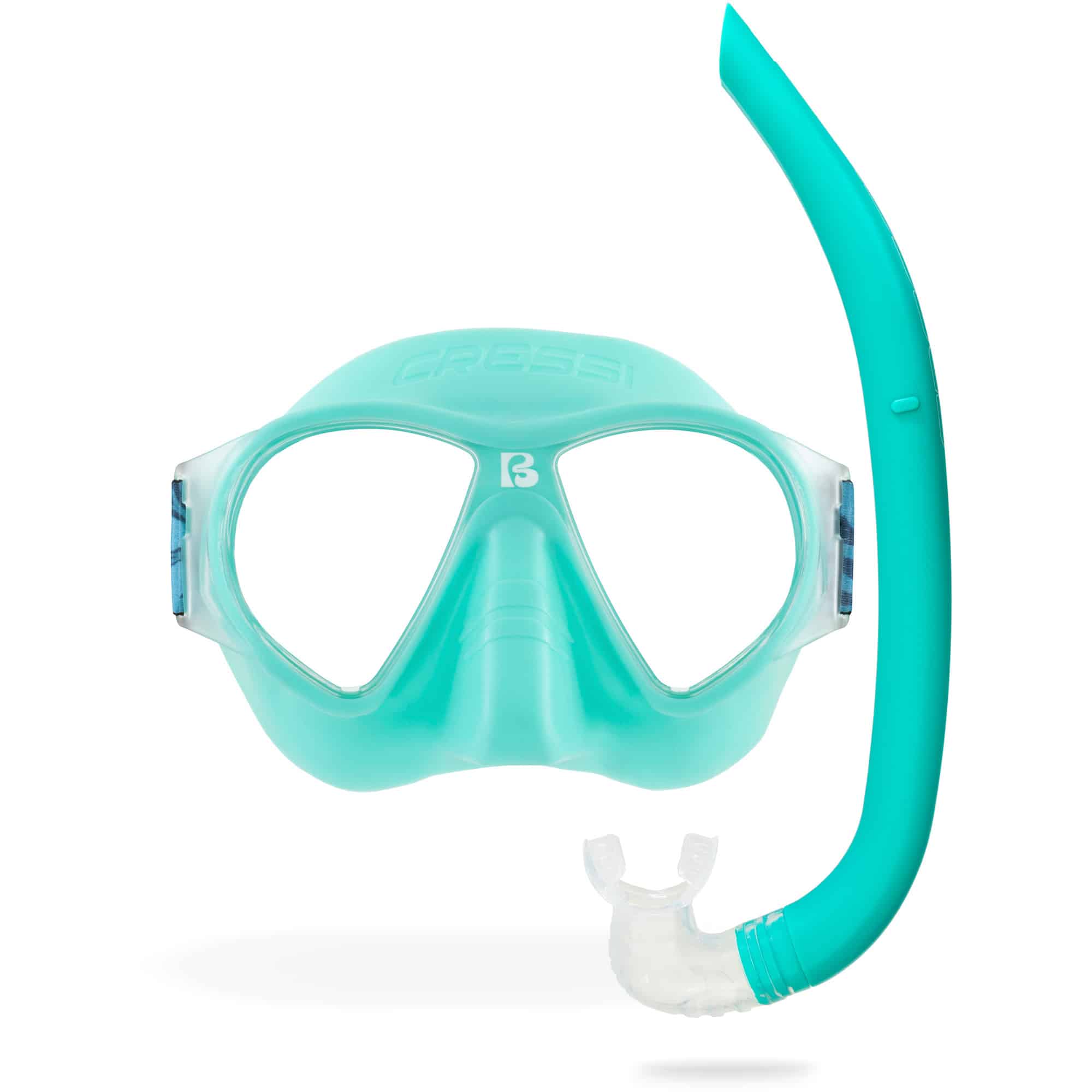 Cressi Nautilus Mask & Snorkel Combo Cressi Nautilus Mask & Snorkel Combo |
$29.95 | First-time snorkelers who want mask and snorkel in one box |
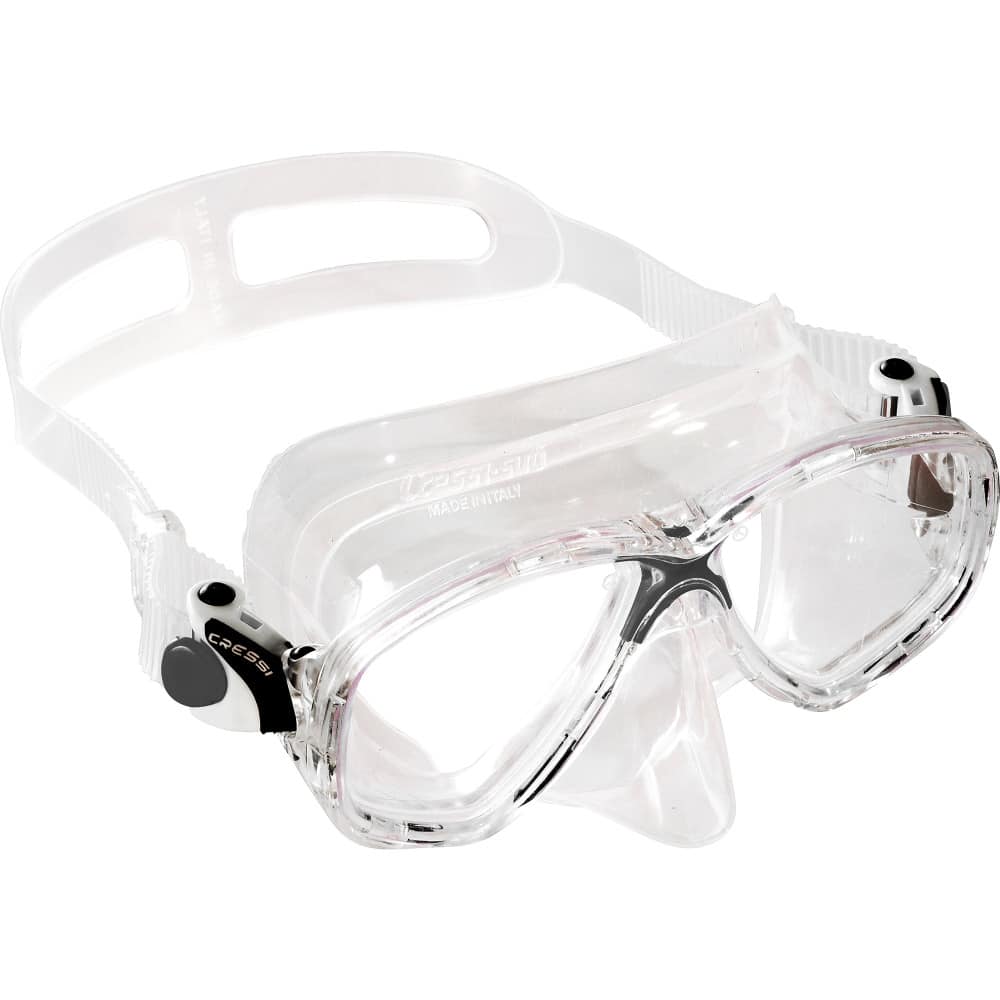 Cressi Marea Mask Cressi Marea Mask |
$33.95 | Low-volume snorkeling mask, easy to clear |
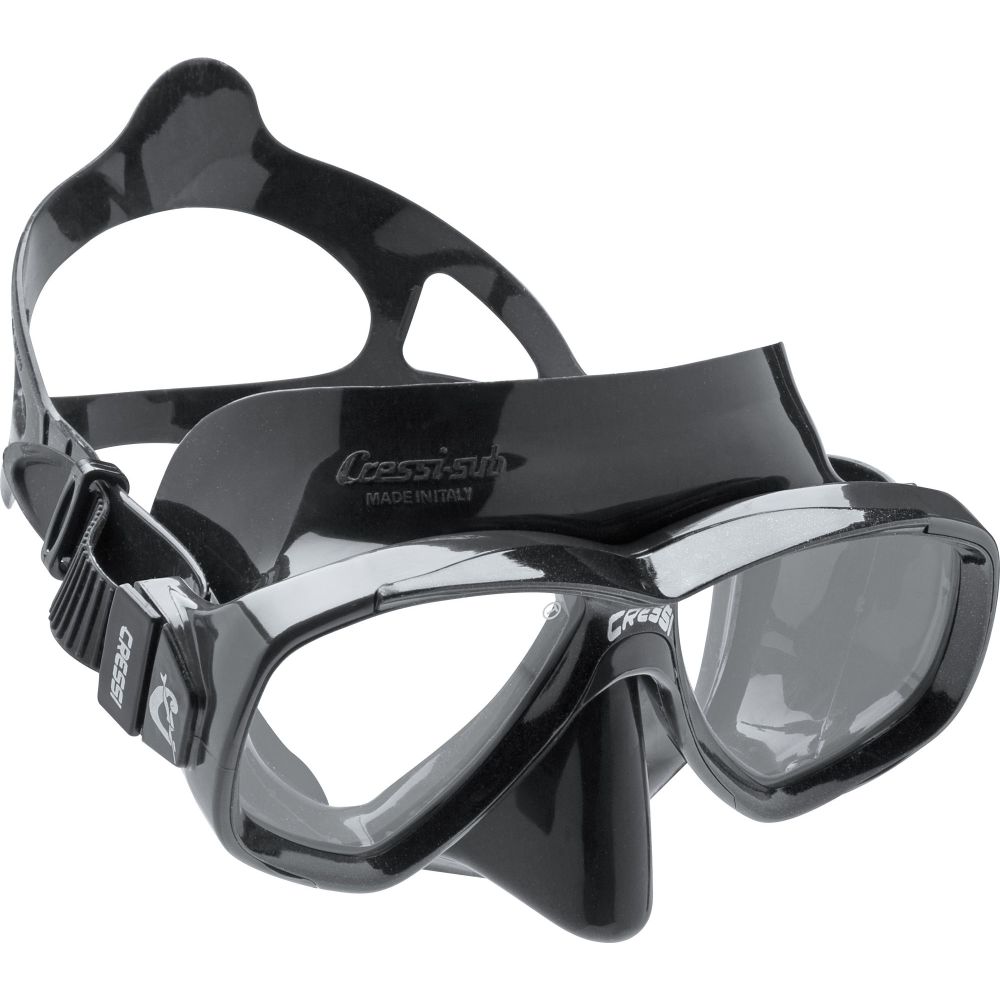 Cressi Perla Mask Cressi Perla Mask |
$34.95 | All-round diving and snorkeling, works well over glasses |
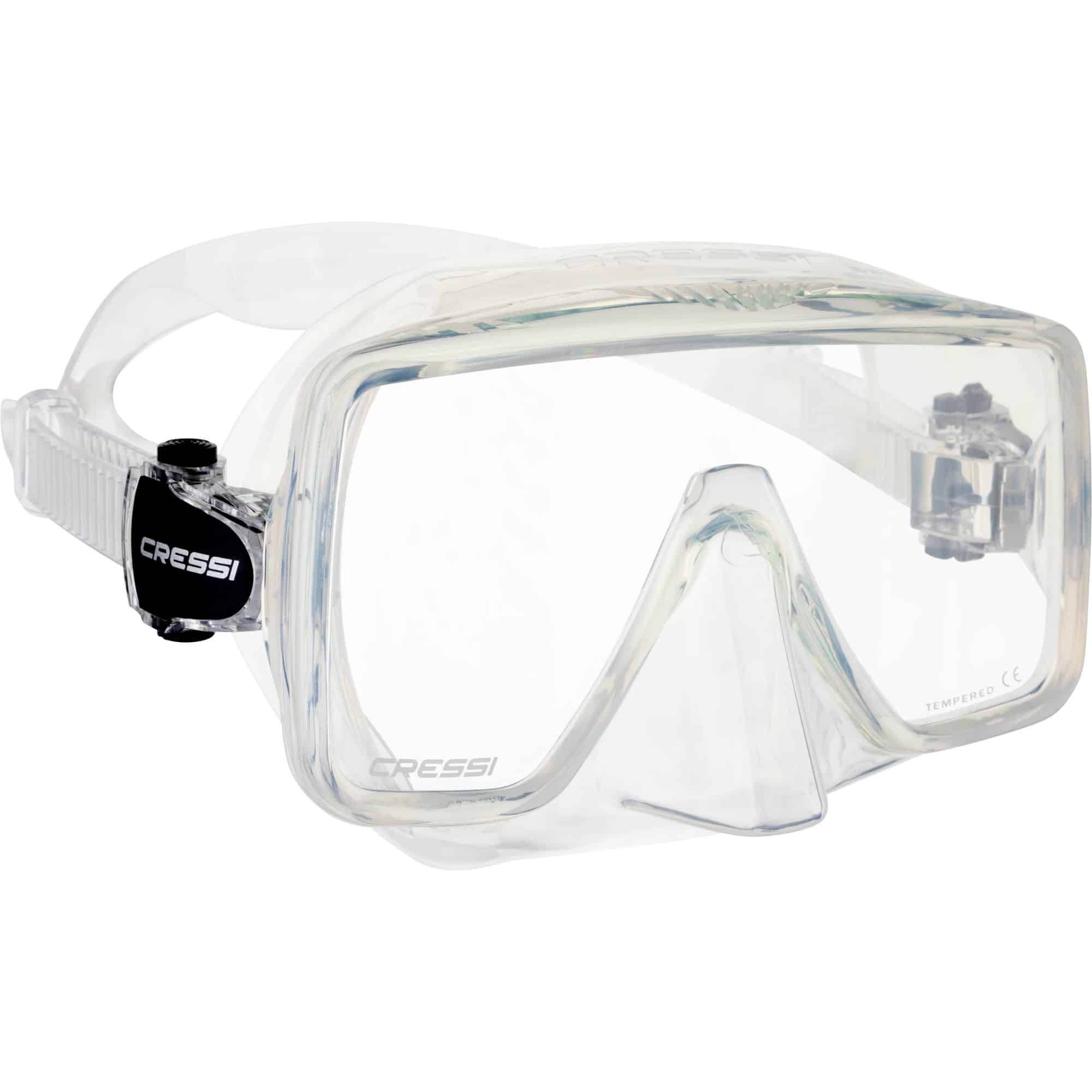 Cressi SF1 Mask Cressi SF1 Mask |
$74.95 | Frameless scuba mask with a wide field of view |
 Cressi Pony Tail Neo Strap Cover Cressi Pony Tail Neo Strap Cover |
$16.95 | Stops the strap pulling hair, has a gap for a ponytail |
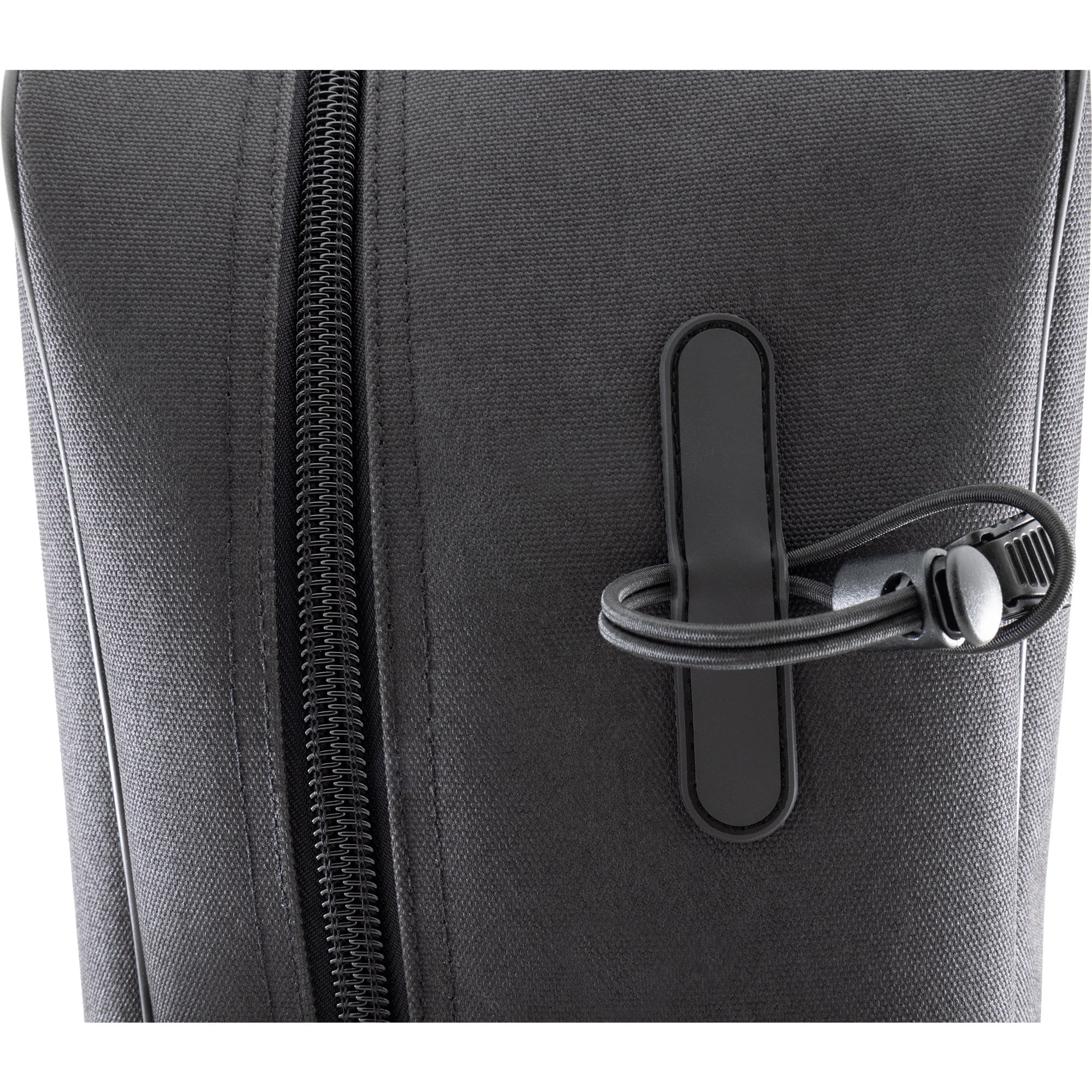 Cressi Helios Bag Cressi Helios Bag |
$59.95 | Drying and storing wet gear after a dive day |
Prices and online availability can change, and our in-store inventory is often different from what’s online, so call ahead at 305-743-2444 if you’re after something specific.
Browse the full range of dive and snorkel masks, or see our masks for glasses wearers if you need prescription-friendly options.
Frequently Asked Questions
How do you clean a new scuba mask?
Rub plain white non-gel toothpaste or Soft Scrub over the inside of both lenses with your fingertip, working into the corners and edges. Let it dry, rinse with warm soapy water, and dry it. Repeat five to seven times to fully remove the factory silicone film.
How should I clean and maintain my snorkel mask?
Rinse it in cool fresh water after every use, running a thumb under the skirt to clear trapped sand. Air dry it fully, then store it out of the sun somewhere the lens can’t get pressed. For a deeper clean, soak it in warm water with a few drops of mild dish soap.
Why does my mask still fog after I cleaned it?
Almost always because the factory film isn’t fully off yet. One pass rarely does it. Run the toothpaste or Soft Scrub treatment several more times, paying attention to the edges of the lens. If it’s a mask that’s been in service a while, fogging is more likely a defog issue than a film issue.
How do you clean a yellowed snorkel mask?
Soak it in warm water with mild dish soap and rinse thoroughly. If the yellowing is in the silicone skirt it’s usually UV damage rather than dirt, and it won’t come out. The mask still works, but store it out of direct sun going forward. Haze on the inside of the lens is a different problem and usually means leftover factory film.