Scuba Diving Age Requirements: When Can Kids Start Diving in the Florida Keys?
Key takeaways
- Kids can try a shallow Bubblemaker-style session well before they are eligible for certification.
- Junior Open Water certification generally starts at age 10, with junior-specific supervision rules that ease up as the diver gets older.
- Discover Scuba is a low-pressure family try-dive.
- Readiness matters as much as age: water comfort, listening skills, and calm reactions are stronger signals than birthdays alone.
- In Marathon, Captain Hook’s runs Bubblemaker, Discover Scuba, and Junior Open Water options so you can match the program to your child rather than the calendar.
The short answer is 10 years old but that’s only part of the story. Most parents aren’t actually asking about a single number. They’re trying to figure out whether their child can safely try breathing underwater on vacation, whether full certification is required, and whether a younger sibling can join too. The mixed messages start because programs designed for younger kids in shallow, instructor-led water aren’t the same thing as a real scuba certification. For a Florida Keys trip, that difference matters. You don’t want to book something too advanced, and you also don’t want to miss a great chance to introduce your child to the underwater world at the right pace. This guide clears up the confusion, walks through what each age threshold actually means, and helps you pick the first scuba experience that fits your family.
The Simple Answer: It Depends on the Type of Scuba Experience
There isn’t one minimum age for scuba diving because “scuba diving” covers a few different things. A child trying scuba gear in shallow water with an instructor is doing something very different from a junior diver earning a certification for future open-water dives. So one family hears that a child can try a Bubblemaker-style program before they’re old enough for certification, and another family hears that scuba certification generally starts at 10. Both are right. They’re talking about different entry points.
The better question for parents isn’t just “How old is my child?” — it’s also: what kind of experience are we booking, how much supervision is involved, and is my child ready to listen, stay calm, and have fun with it?
What Kids Can Do at Different Starting Points
Here’s a parent-friendly way to think about the main options. Exact requirements vary by agency, program, and operator, so confirm details before you book.
| Experience type | Typical fit | What it is | Best for |
|---|---|---|---|
| Bubblemaker-style kids program | Younger children who aren’t ready for certification | A shallow, instructor-led introduction to scuba gear and breathing underwater | Kids who are curious, comfortable in water, and want a fun first taste |
| Discover Scuba-style session | Beginners who want to try scuba before committing to a course | A supervised introductory experience, not a full certification | Families with mixed confidence levels or first-time divers |
| Junior Open Water certification | Children old enough and mature enough to begin formal training | A certification path for younger divers, with junior-specific limits and supervision rules | Kids ready to learn skills, follow instructions, and keep diving after vacation |
Junior Open Water: What Certification Means for Kids
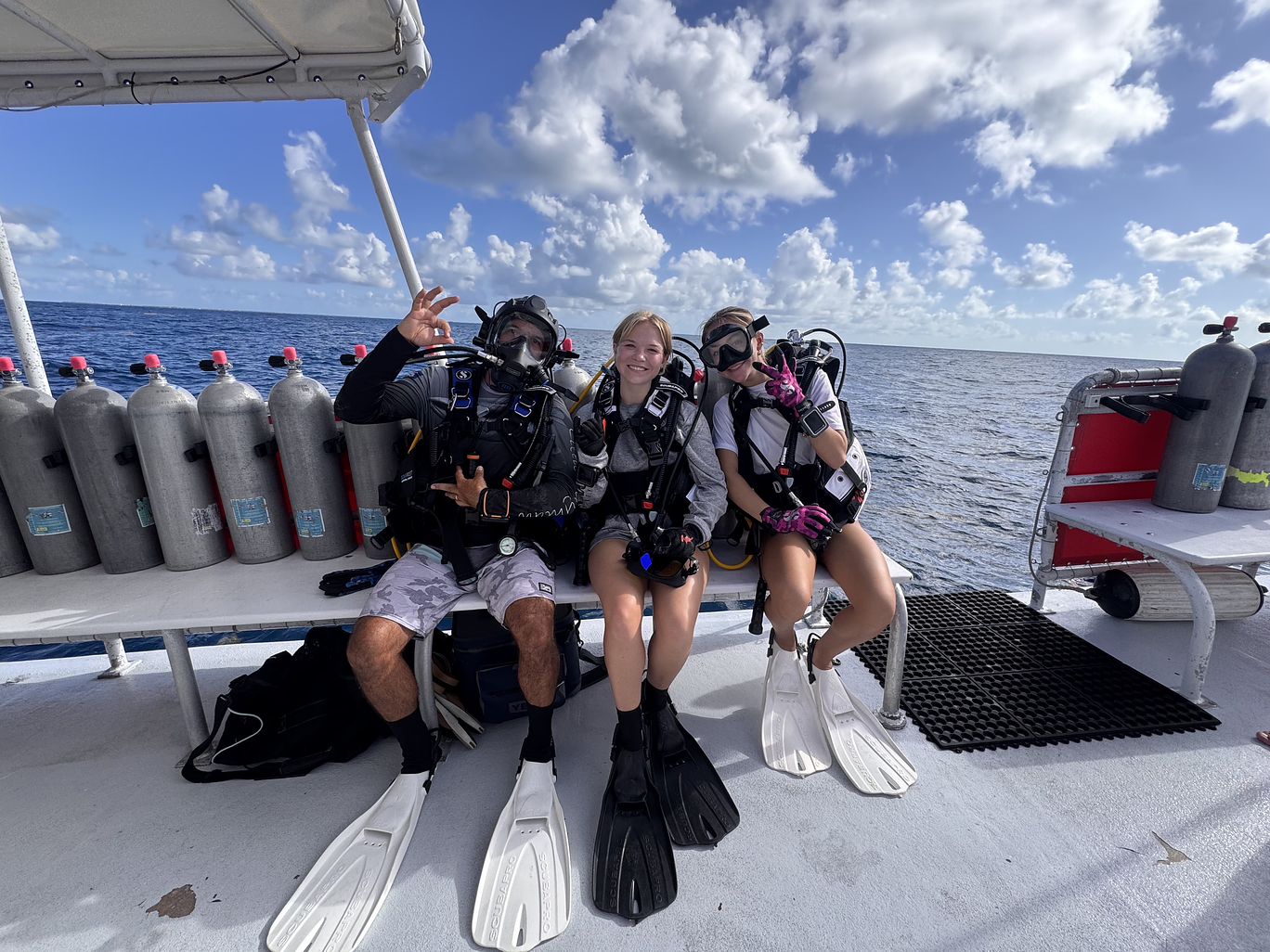
For full entry-level training, the minimum age for scuba diving certification is generally 10. Divers younger than 15 earn a Junior Open Water certification rather than the standard adult version. The “junior” label matters. The training itself is real. What changes is the boundaries. Younger divers are certified with depth limits and supervision rules that adjust as the kid gets older.
For example, younger junior divers usually have to dive with a dive professional or a certified parent. Older junior divers get more flexibility to dive with any certified adult. The exact rules depend on the certifying agency, so ask the dive shop to explain what applies to your child’s age.
Junior Open Water is a great goal for a kid who loves the ocean, listens well, and wants more than a one-time vacation activity. If your child is nervous, easily overwhelmed, or unsure about breathing underwater, an intro session is the better first step.
PADI Bubblemaker Age and Younger Kids
Parents often ask about PADI Bubblemaker age because they have a younger child who wants in on the underwater fun. The core idea: Bubblemaker-style programs are introductory. They let kids experience scuba in a controlled, shallow, instructor-led setting. That’s very different from certification. Your child wears scuba gear, breathes from a regulator, and feels what it’s like to be underwater, but they’re not earning an independent diving credential. For most families, that’s the whole point. A first scuba experience should feel exciting, not like a test. If your child comes out smiling, proud, and asking when they can do it again, you’ve got the right foundation for future training.
Discover Scuba Age and Family Try-Dives
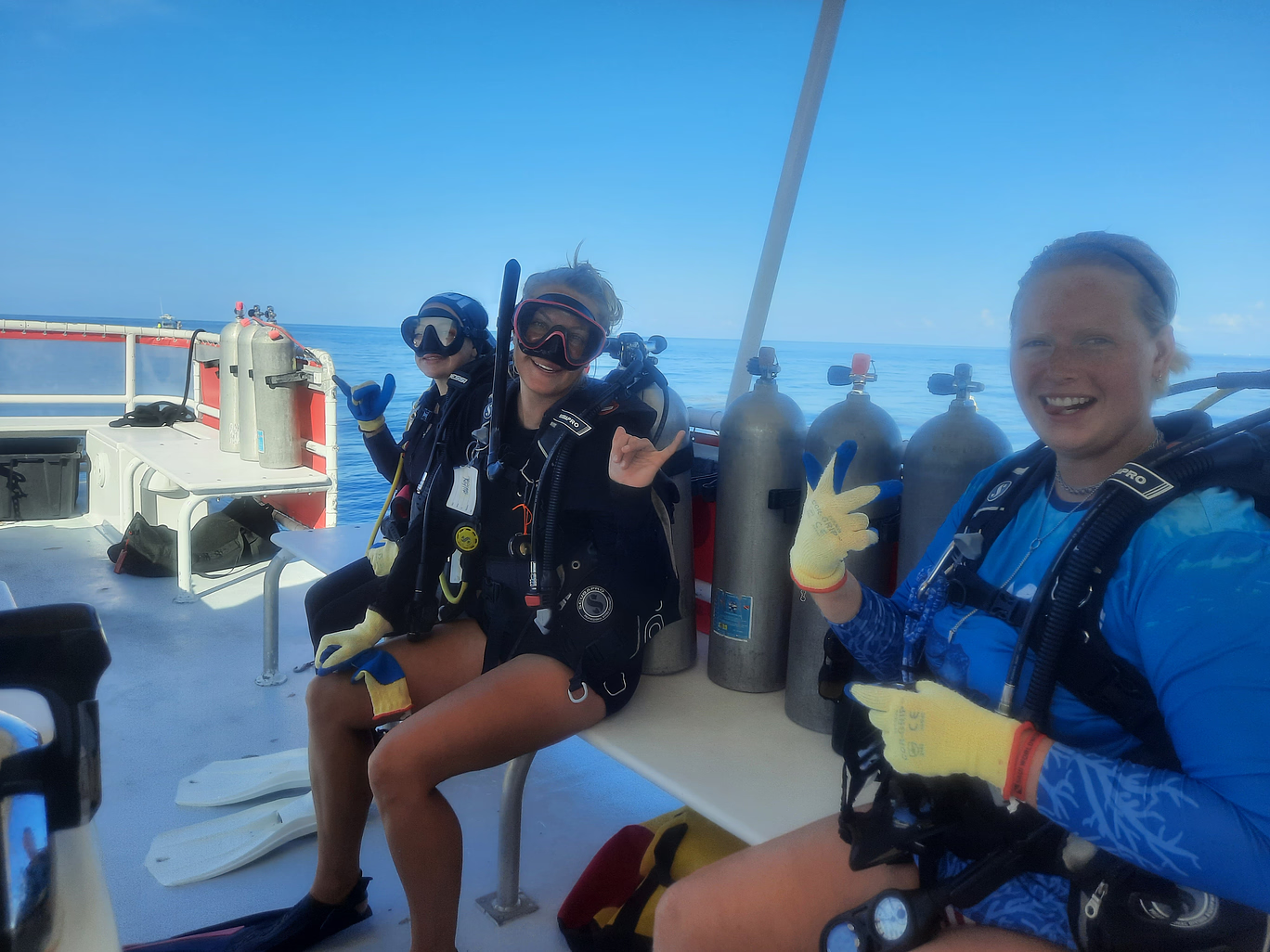
A Discover Scuba-style session is another good option for families who aren’t ready to jump straight into a course. Think of it as a guided introduction. You learn the basics, get used to the equipment, and try breathing underwater with close supervision.
It works well on a Florida Keys vacation. Say one parent is certified, the other is brand new, and the kids are curious but cautious. A family-friendly intro session gives everyone a lower-pressure way to see how scuba feels before deciding whether to commit to certification. It’s not a shortcut to becoming certified. It’s a confidence-builder. Keeping that clear up front makes the day go a lot better.
Is Your Child Ready, Even If They Meet the Age Requirement?
A child who meets the scuba diving age requirements might still need more time. Another child the same age might be calm, attentive, and ready for a beginner experience. You know your kid best, but underwater activities add a few specific things to check for.
- Water comfort: Your child is comfortable putting their face in the water and wearing a mask.
- Listening skills: They can follow instructions the first time, not after three reminders.
- Calm reactions: A little nervousness is fine. Panic or refusing to communicate is a sign to slow down.
- Honesty: They’ll say when something feels uncomfortable.
- Patience: Scuba involves learning steps before the fun begins.
If your child is excited but not quite ready, snorkeling is a great bridge. It builds comfort with masks, fins, marine life, and the ocean itself without piling on scuba equipment. Captain Hook’s runs Florida Keys snorkeling trips for families who want that first ocean adventure.
How to Prepare Kids for Their First Scuba Experience
The best prep is simple and low-pressure. Let your child practice with a mask in a pool. Talk through what slow breathing feels like. Explain that the instructor is there to help and that it’s always okay to ask questions. Don’t turn the dive into a performance. Kids do better when curiosity is the goal, not achievement. Instead of “You’re going to love this,” try “Let’s see how it feels, and we’ll go at your pace.” Picking the right environment matters too. A beginner-friendly session with a patient instructor beats pushing a child into a program just because it fits the vacation schedule. The ocean will still be there when they’re ready.
Choosing the Right First Dive with Captain Hook’s in Marathon
For most families, start where your child can feel successful. That might be a Bubblemaker-style intro, a Discover Scuba family session, or Junior Open Water for a kid who’s truly ready to train. Captain Hook’s Marina and Dive Center has been part of the Marathon diving community for decades, and our crew is happy to help you pick the right way into the water. If you’re planning a Keys trip, you can look at our scuba diving certification in the Florida Keys options or check out our Marathon dive center.
The real takeaway: “10 years old” isn’t the whole answer. The right answer depends on your kid, the program, and the supervision involved. When you’re ready, check availability for a Bubblemaker, Junior Open Water, or family Discover Scuba session and let your child meet the underwater world at the right pace.
Frequently Asked Questions
What is the minimum age for scuba diving certification?
The minimum age for scuba diving certification is generally 10 years old, but the exact path depends on the training agency and program. A child may be old enough to start certification and still need added supervision or junior limits after they earn it.
What is the youngest age to scuba dive in a beginner program?
Some children can try scuba in a very shallow, instructor-led setting before they are old enough for full certification. That kind of experience is designed as an introduction, not as a certification course, so the goal is comfort and fun rather than formal training.
What is the PADI Bubblemaker age?
Bubblemaker-style programs are aimed at younger kids who are ready for a first taste of scuba in controlled, shallow water. The important part is not just age, but whether the child is comfortable in the water and able to listen closely to directions.
What age can a child get Junior Open Water certification?
Junior Open Water certification is generally available starting at age 10. It gives younger divers a real certification path, but with junior-specific rules and supervision requirements that are different from an adult diver’s.
Is there a scuba diving age limit for older adults?
There is usually no fixed upper age limit for scuba diving. What matters more is overall health, comfort in the water, and whether the diver can meet the safety requirements for the specific activity.
What should I choose for my child: Discover Scuba or Junior Open Water certification?
If your child is curious but not sure they want to commit, a Discover Scuba-style session is usually the easier first step. If they are comfortable, focused, and want to keep diving beyond the vacation, Junior Open Water certification may make more sense.