Key takeaways
- Build your starter kit as freediving gear first, spearfishing gear second.
- Spend on fit-dependent gear — mask, fins, exposure protection, weight belt — and keep snorkels, accessories, and support gear simple.
- A pole spear and a speargun teach different things.
- Don’t copy someone else’s weighting. Your body, your suit, and your dive plan decide the right setup.
Most beginner mistakes in the Keys happen before you ever hit the water. You buy a big “starter kit,” grab the wrong fins, guess on your weight belt, and spend all your money on the spear instead of the gear that actually makes you comfortable, streamlined, and ready to hunt. If you’ve been searching for spearfishing gear for beginners, here’s the part most generic gear guides miss. In the Florida Keys, your first setup should work for freediving first and spearfishing second. That means a mask that fits, fins that won’t wear you out, exposure protection that matches the conditions, and only then the hunting gear you’re actually ready to use. You don’t need the biggest setup on the wall, and you definitely don’t need to figure it out alone from a random online checklist. Below, we’ll walk through the beginner gear that’s truly worth buying for Florida Keys diving, what to look for in each category, and what can wait until later.
Start With the Diving Platform, Not the Spear
The biggest trap in beginner spearfishing gear is treating the spear as the whole sport. The spear matters, of course. But if your mask leaks, your fins beat up your ankles, your belt doesn’t sit right, or your snorkel feels clumsy, you won’t be relaxed enough to hunt well.
That’s why a Florida Keys starter kit should start as freediving gear for beginners. You’re building a platform that lets you move calmly on the surface, duck dive cleanly, descend comfortably, and return with control. Once that platform feels good, the spearfishing pieces make a lot more sense.
This is especially true in the Keys, where people often mix activities: a little snorkeling, some freediving practice, maybe a reef outing, then hunting once they’re ready. The best spearfishing gear for that path isn’t always the flashiest setup. It’s gear that fits your body, matches the local water, and lets you learn without fighting your equipment.
What You Actually Need Now, Later, and Maybe Not Yet
Before looking at each item, it helps to sort the kit by priority. This keeps you from blowing the budget on accessories while skimping on the pieces that affect every minute in the water.
| Priority | Gear | Why it matters | Beginner buying guidance |
|---|---|---|---|
| Must-have | Mask, snorkel, fins | These control comfort, visibility, breathing at the surface, and movement. | Fit and comfort beat brand hype every time. |
| Must-have for most outings | Exposure protection, socks, basic hand protection | Helps with comfort, sun, rubbing, and contact with gear. | Choose for local conditions and how long you’ll be in the water. |
| Must-have when diving weighted | Spearfishing weight belt | Affects buoyancy, trim, and descent. | Get help with fit and setup instead of guessing. |
| Hunting essential | Pole spear or speargun | This is the harvest tool. | Pick based on experience, conditions, and control. |
| Support and safety gear | Knife, float, flag, floatline, stringer | Keeps the setup organized and practical once you’re actively hunting. | Don’t skip these, but buy them in the right order. |
| Buy later | Specialty accessories, advanced rigging, freediving lanyard | Useful for specific styles of diving, not always needed on day one. | Wait until your diving goals are clearer. |
A starter kit should make you feel more capable, not more tangled up. If you’re unsure where a piece belongs, ask one question: will this help me dive better on my next outing, or am I buying it because it looks like something experienced divers carry?
Mask: The Small Piece That Can Ruin the Whole Day
A good mask isn’t the biggest purchase, but it might be the most personal. Two masks can look almost identical on the wall and feel completely different on your face. For spearfishing and freediving, fit is the first test. If the skirt doesn’t seal well, you’ll spend the day clearing water instead of watching the reef.
For beginner spearfishing, look for a mask that feels secure without cranking the strap down. Over-tightening can actually make leaks worse by distorting the skirt. A lower-volume design is often preferred for freediving because it’s easier to equalize and manage underwater, but fit still wins.
This is one of the best reasons to shop in person. The “best” mask online might be wrong for your face. A local dive crew can help you try different shapes and skip the classic beginner move of buying a mask because it looks cool, then finding out it leaks once you’re in saltwater.
A solid, beginner-friendly starting point on our shelves:
| Beginner pick | Price | Why it works for beginners |
|---|---|---|
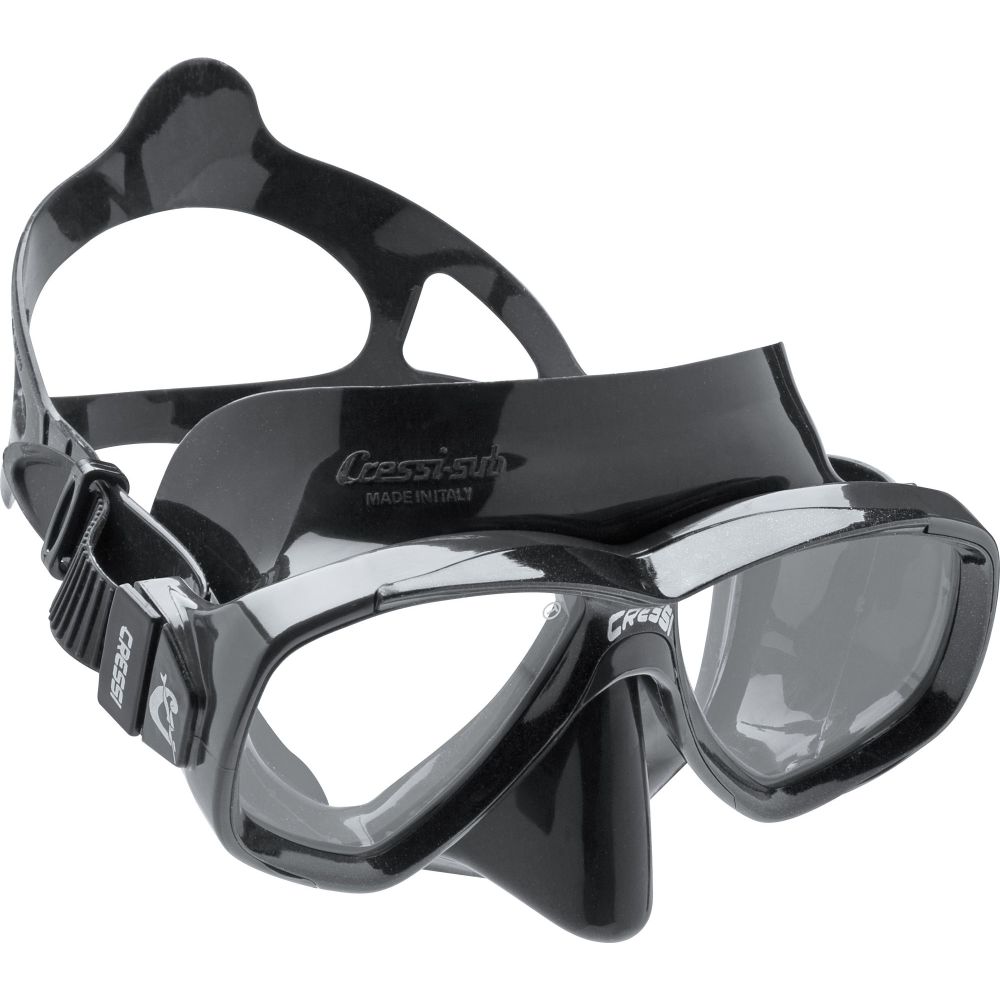 Cressi Perla Mask Cressi Perla Mask |
$34.95 | Low-volume, soft-skirt design that’s easy to equalize and clear and won’t break the bank. Come try the skirt on your face before you commit. |
Snorkel: Keep It Simple and Useful
Your snorkel doesn’t need to be complicated. For spearfishing and freediving, most beginners do best with something simple, comfortable, and easy to clear. The goal is relaxed breathing at the surface while you watch conditions, recover between dives, and reposition.
A bulky snorkel that feels fine on a casual vacation swim can feel annoying when you’re duck diving repeatedly. Keep this purchase practical. It should sit comfortably with your mask strap, stay out of the way, and not become the piece of gear you keep adjusting all day.
| Beginner pick | Price | Why it works for beginners |
|---|---|---|
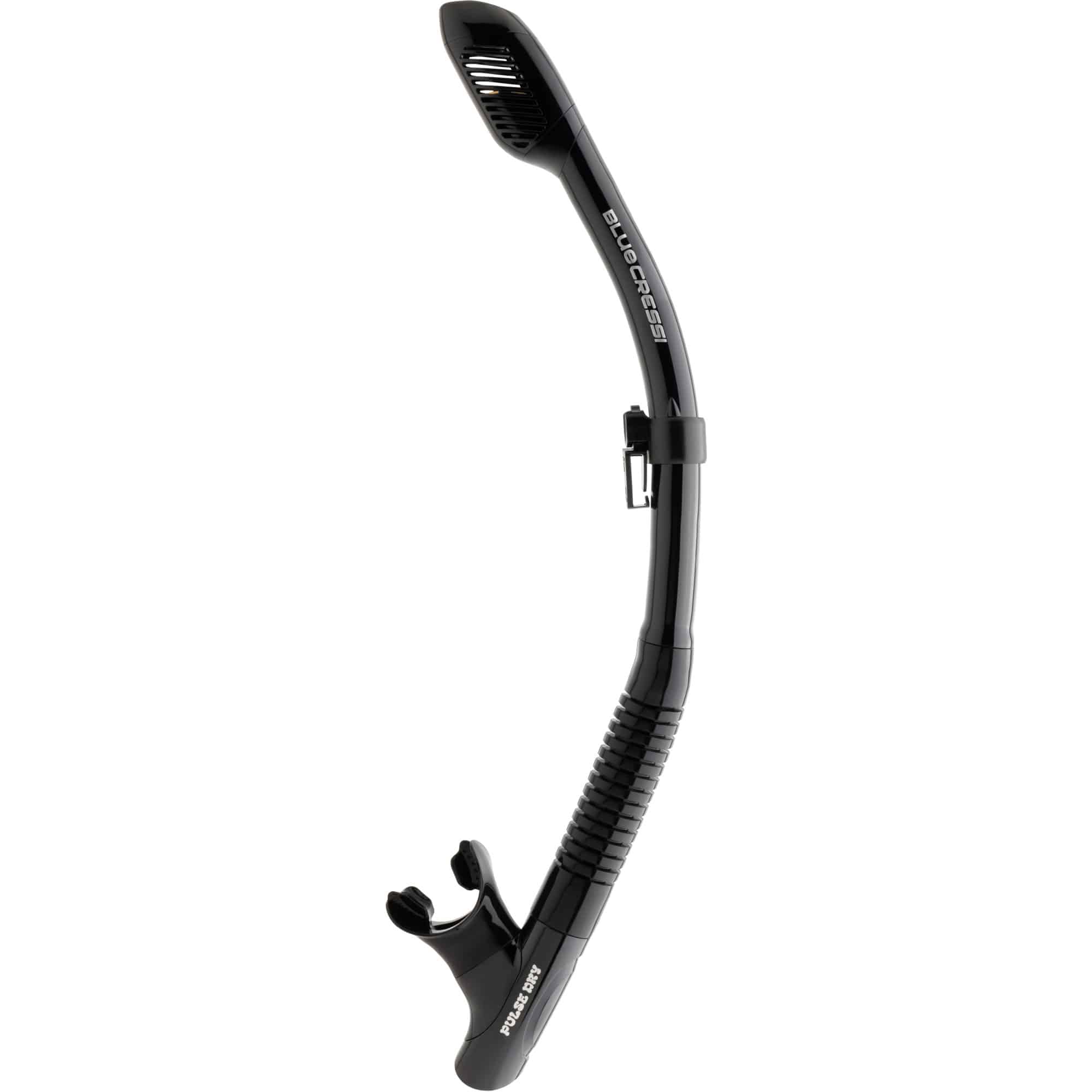 Cressi Pulse Snorkel Cressi Pulse Snorkel |
$29.95 | Simple, comfortable, and easy to clear exactly what you want for relaxed surface breathing between dives. No gadgetry to fight. |
Fins: Buy for Efficiency, Not Just Length
Fins are where a lot of beginners either underspend or overbuy. Short casual snorkeling fins feel familiar, but they don’t give you the efficiency you want once you start diving below the surface. Jump straight into very stiff freediving fins, though, and you’ll tire out fast and your kick will feel awkward.
Good beginner freediving spearfishing gear should help you move without burning energy. That usually means fins that fit securely, work with your kick, and give you enough blade to travel and dive efficiently without punishing your legs.
What to look for in beginner fins
- Comfortable foot pockets: Pressure points get old fast. If the foot pocket bothers you in the shop, it won’t magically feel better after a long swim.
- Appropriate stiffness: Beginners usually benefit from a fin they can control easily. Too stiff is exhausting; too soft feels underpowered.
- Compatibility with socks: If you’ll wear neoprene socks, try the fins with the socks you plan to use.
- Realistic use: Choose fins for how you’ll actually dive now, not for an advanced style you might try someday.
If you already own snorkeling fins, you can start with them for basic practice. I you’re building a real beginner spearfishing gear setup, fins deserve serious attention. They affect how long you stay comfortable, how smoothly you move, and how much energy you have left when it counts.
Two comfortable full-foot options we point beginners toward:
| Beginner pick | Price | Why it works for beginners |
|---|---|---|
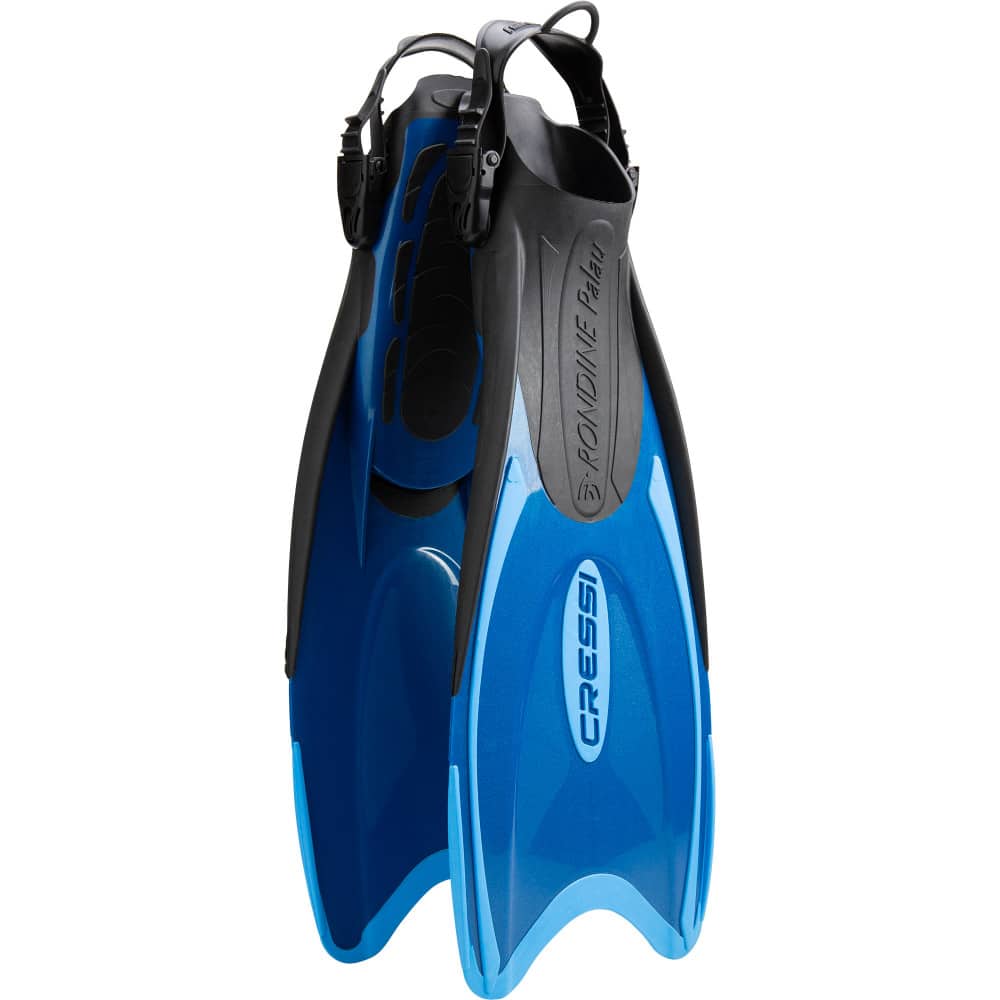 Cressi Palau Fins Cressi Palau Fins |
$52.95 | A longer-blade full-foot fin that moves you efficiently without the leg-burn of stiff freediving blades. They’re a forgiving step up from short snorkel fins. |
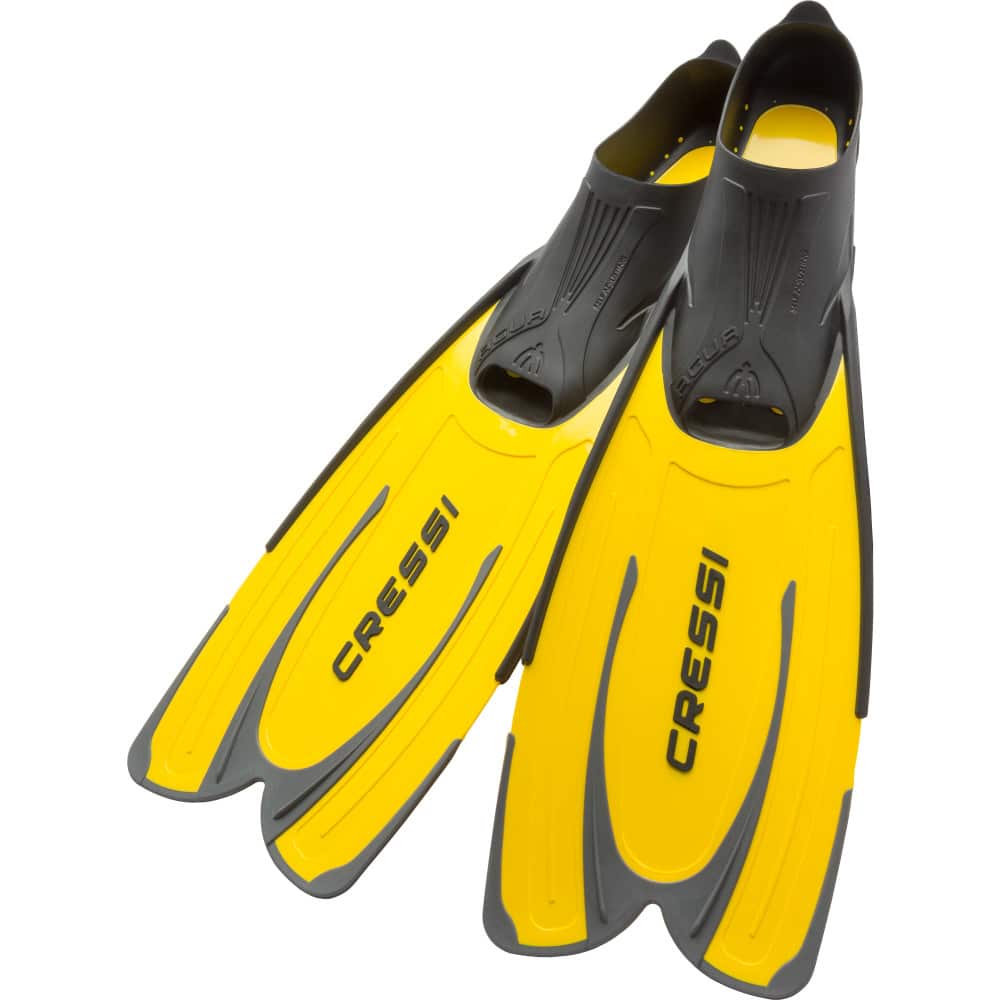 Cressi Agua Fins Cressi Agua Fins |
$44.50 | Lighter and easy to control, with a comfortable foot pocket. These are a good all-rounder while you dial in your kick. Try them with the socks you plan to wear. |
Exposure Protection in Warm Water Still Matters
The Keys are warm and inviting. That doesn’t mean exposure protection is optional. A wetsuit or other protective layer helps with comfort during longer sessions, cuts down on rubbing from gear, and adds a little protection around reef environments and boat ladders.
The right setup depends on the day, the season, your tolerance, and how long you plan to be in the water. Some divers want more coverage; others prefer a lighter setup. The point isn’t to dress for cold-water diving by default. It’s to avoid assuming “warm water” means “no protection needed.”
Socks and gloves fall into this same practical category. Socks make full-foot fins more comfortable and reduce rubbing. Gloves help with grip and handling gear. They’re not the most exciting purchases, but small comfort items are the difference between a relaxed outing and a short one.
For warm Keys water, a light vest or a 3mm suit covers most beginners:
| Beginner pick | Price | Why it works for beginners |
|---|---|---|
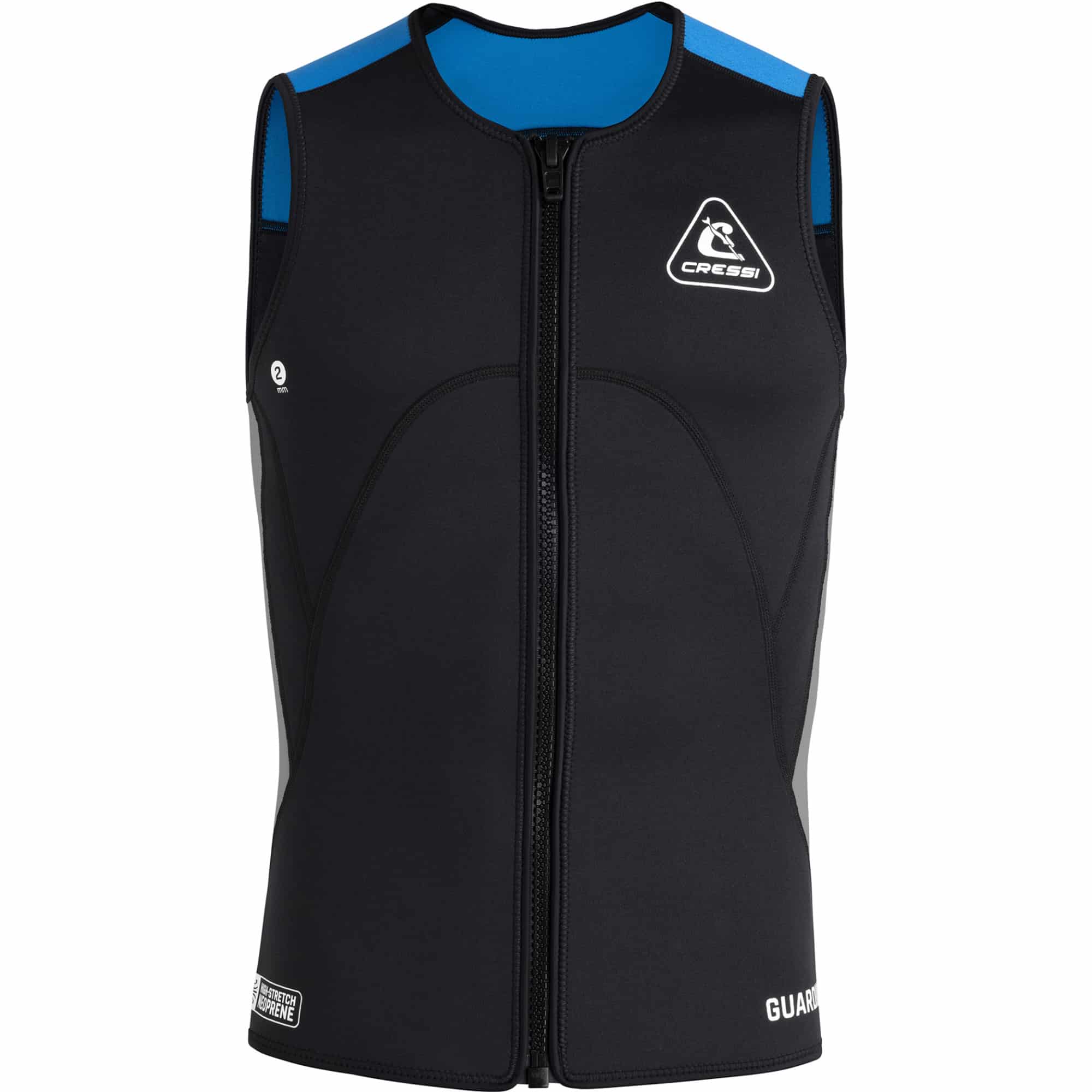 Cressi Guardian Vest 2mm (men’s) / women’s Cressi Guardian Vest 2mm (men’s) / women’s |
$69.95 | Light coverage for warm surface days and short sessions. Cuts rubbing from gear without overheating you. |
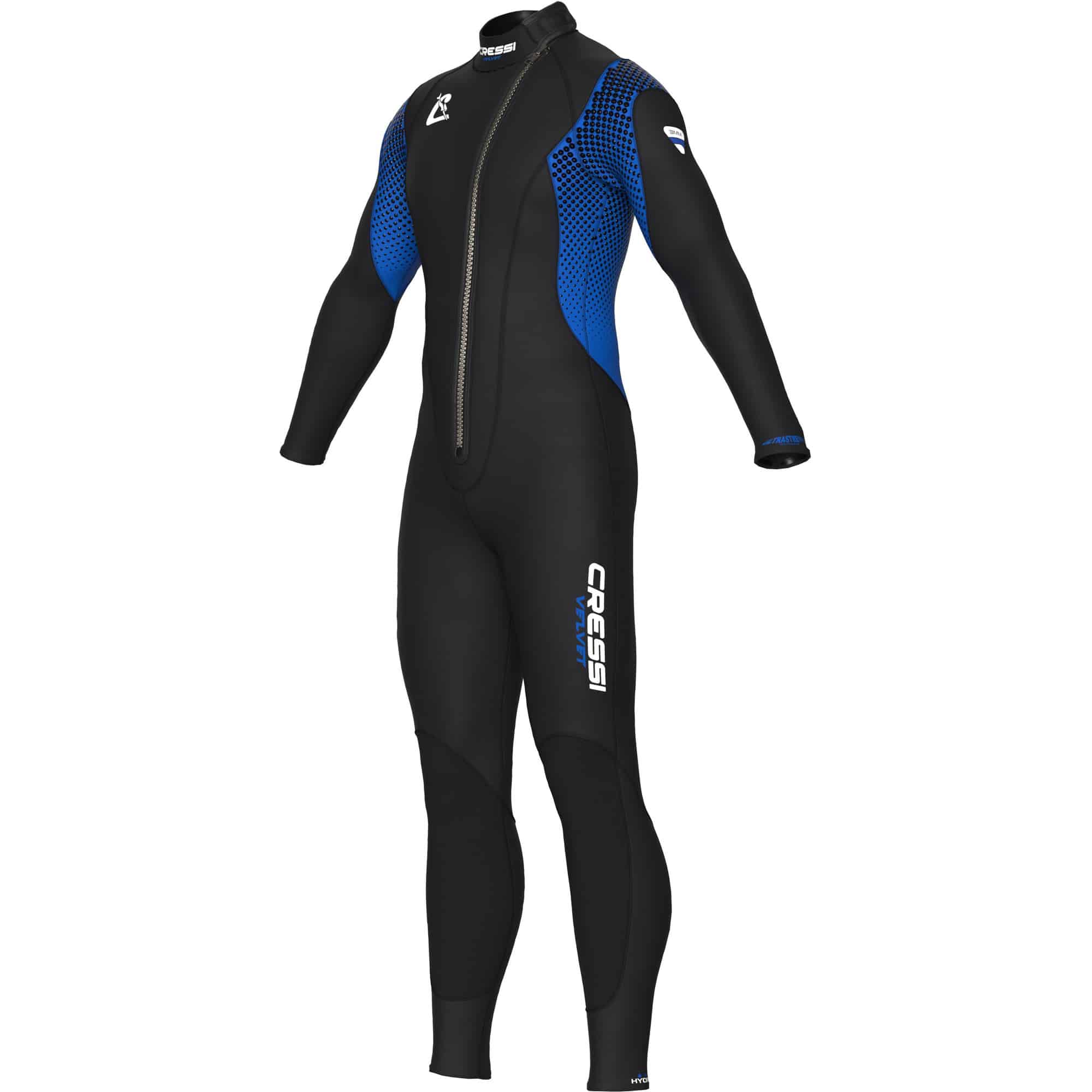 Cressi Velvet 3mm (men’s) / women’s Cressi Velvet 3mm (men’s) / women’s |
$189.95 | The versatile pick for longer outings and cooler days, with enough warmth for repeat dives without weighing you down. |
The Spearfishing Weight Belt: Don’t Guess Your Way Into Weighting
A spearfishing weight belt isn’t just a belt that holds lead. It changes how you float, descend, and position your body underwater. When it’s dialed in, diving feels smoother. When it’s wrong, you’ll feel it every time you breathe up, duck dive, or return to the surface.
Beginners should avoid copying someone else’s exact setup. Weighting depends on your body, your exposure protection, your comfort level, and the kind of diving you’re doing. The right answer is the one that keeps you controlled and comfortable for the conditions in front of you.
Look for a belt setup that sits securely, releases clearly, and works with your body position. This is another place where local, in-person guidance helps. Instead of buying weights blindly, talk through your plan with people who understand the kind of diving you’re about to do in Marathon and the surrounding Keys.
| Beginner pick | Price | Why it works for beginners |
|---|---|---|
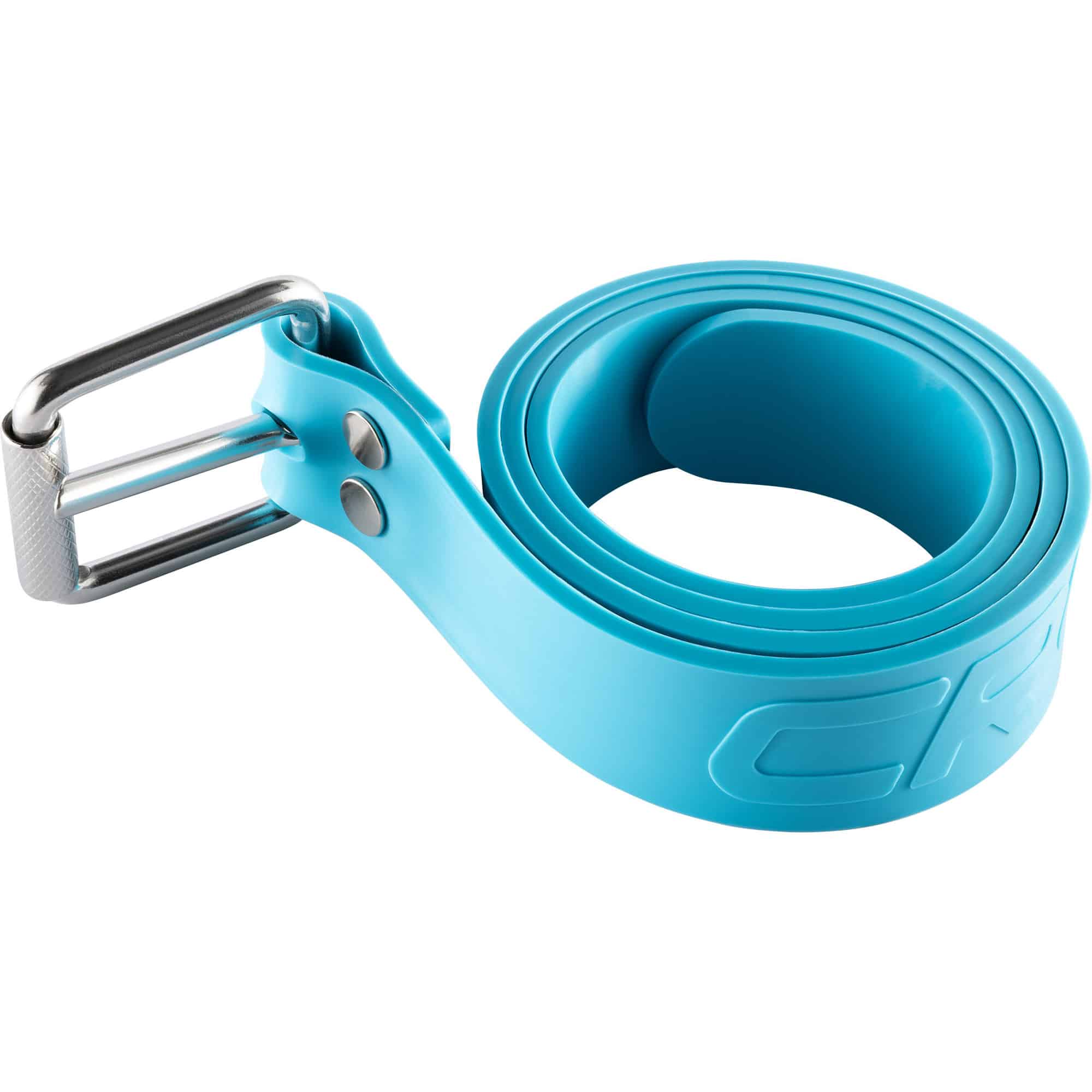 Cressi Serpent Marseillaise Silicone Belt Cressi Serpent Marseillaise Silicone Belt |
$49.95 | A silicone belt that grips and stays put as you breathe up and descend, with a clear quick-release. Bring it by the shop and we’ll help you set the weight. |
Pole Spear or Speargun: Choose the Right First Tool
This is the gear decision beginners tend to obsess over, and it’s easy to understand why. The hunting tool feels like the heart of the sport. The right answer, though, isn’t the same for every person.
| Option | Best fit | What beginners like | Where it can fall short |
|---|---|---|---|
| Pole spear | Divers who want a simple, controlled entry point | Simple setup, fewer moving parts, forces close-range discipline | Requires patience, positioning, and realistic expectations |
| Speargun | Divers ready for a more capable hunting tool | More reach and more setup options | Can be overbought, mishandled, or poorly matched to the dive |
A pole spear is a great teacher because it keeps things simple. You learn to move quietly, close distance, and pay attention. A speargun can also work for a beginner who has good water comfort and gets the right local guidance. The mistake is treating either option as universally “correct.”
If you’re buying your first speargun, resist the urge to go big just because it looks more serious. A beginner-friendly speargun should match the environment, your ability to load and control it, and the kind of diving you’re actually doing. Product grids can show you sizes and bundles, but they can’t tell you what feels manageable in your hands or what makes sense for local reefs.
Before you buy, talk through where you plan to dive, how comfortable you are freediving, and whether you’re still building basic skills. The right tool should make you more controlled, not more complicated.
If a speargun is the right first tool for you, here’s where we’d start a beginner and where we’d let you grow into more reach:
| Speargun | Price | Best for |
|---|---|---|
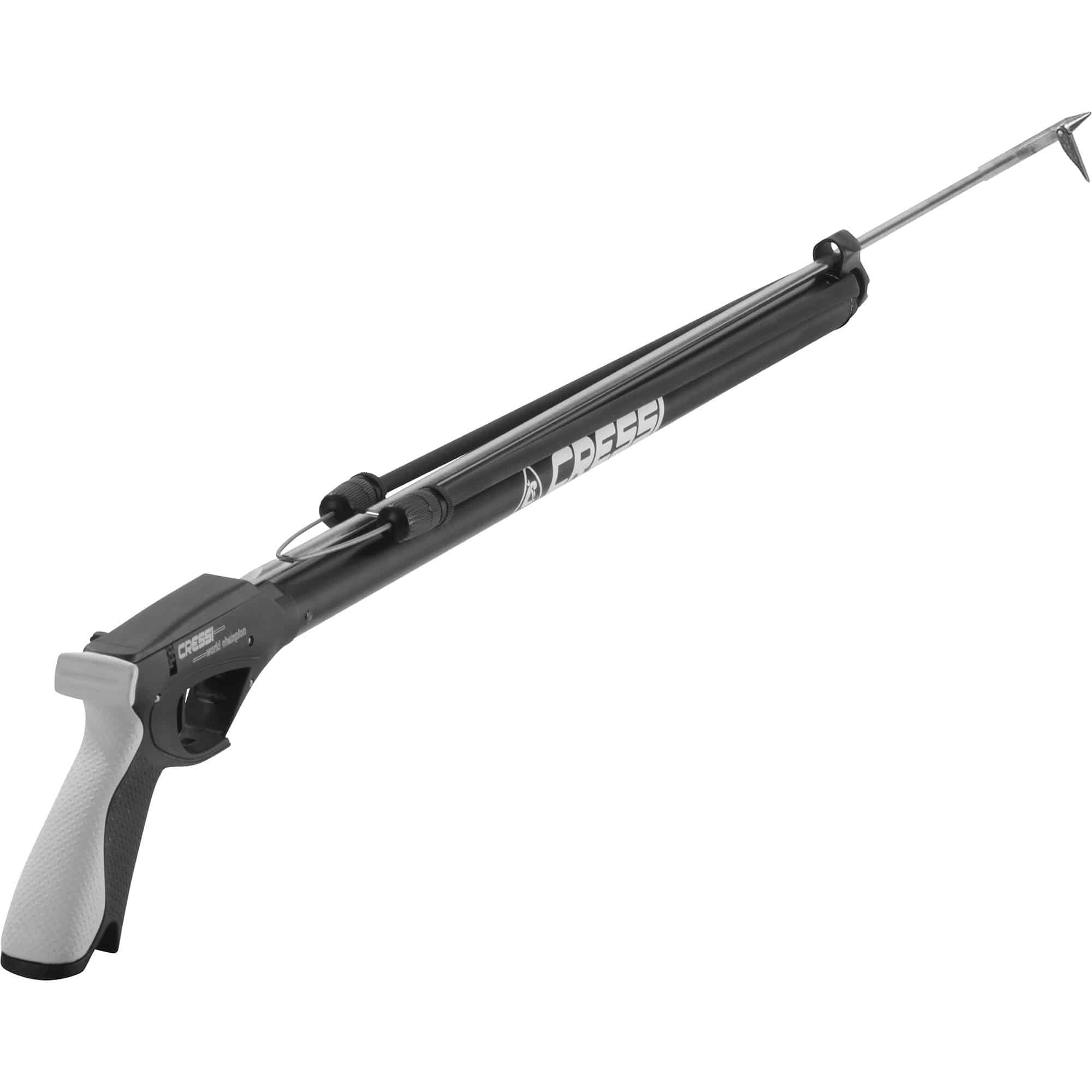 Cressi Apache Cressi Apache |
$114.95 | An approachable, easy-to-handle first gun. Manageable to load and control at close reef range while you build hunting fundamentals. |
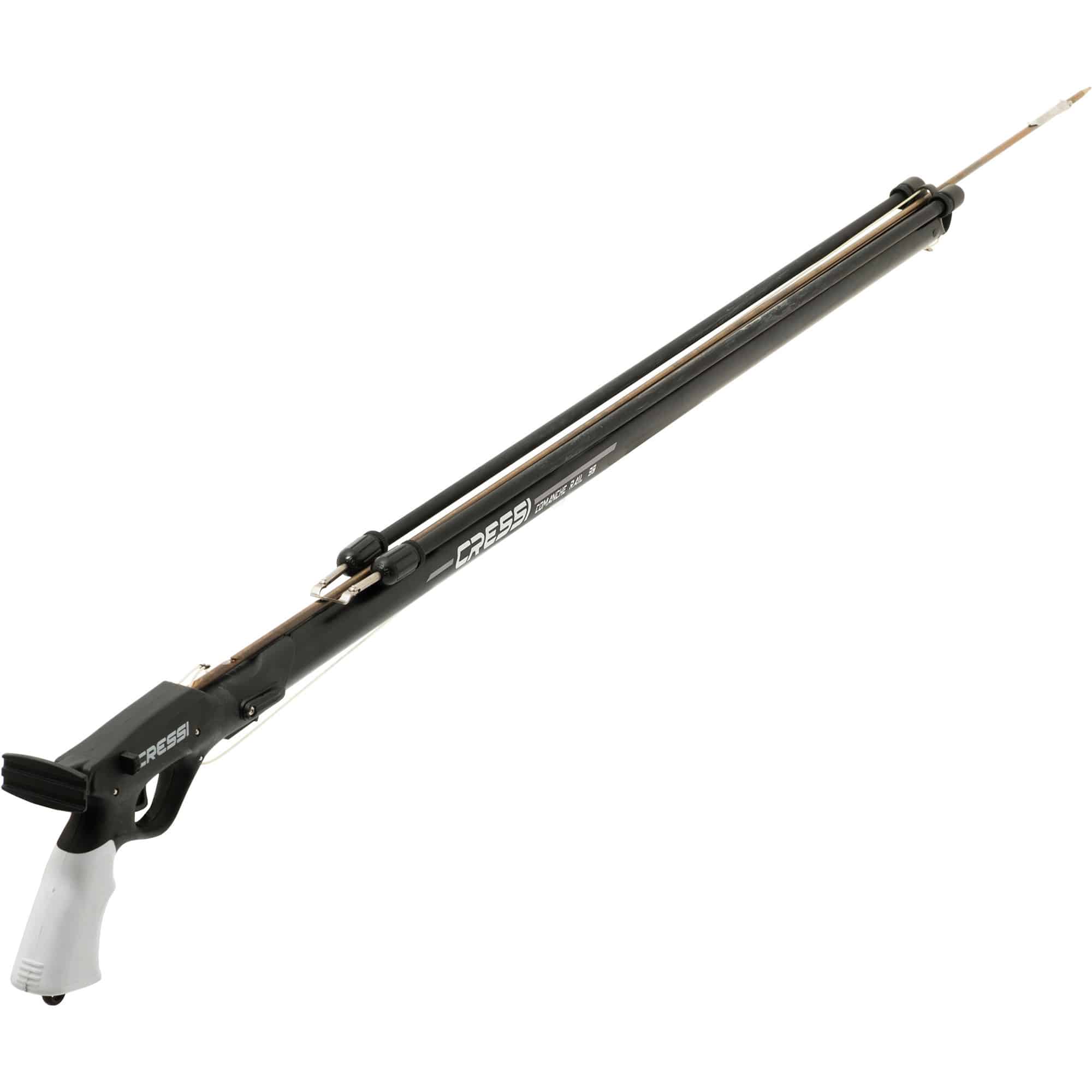 Cressi Comanche Rail Cressi Comanche Rail |
$192.95 | A step up in reach and accuracy once your water comfort is solid and you know the kind of diving you’re doing. |
Float, Flag, Floatline, and Stringer: The Support System
Once you move from freediving practice into active spearfishing, support gear becomes part of the kit. A float, flag, floatline, and stringer often get listed together, but beginners should understand what each piece actually does instead of treating them as random accessories.
A float and flag make your presence visible on the water. A floatline connects parts of your setup and keeps gear organized depending on how you’re rigged. A stringer secures harvested fish. The exact setup depends on your location, experience, and dive plan, so this isn’t a one-size-fits-all category.
This is also where a local shop conversation saves headaches. The support system should match the way you’ll actually be diving. Too cluttered and it becomes annoying. Incomplete and you’ll find yourself improvising when you should be focused and calm.
Knife, Small Accessories, and the Gear Bag Question
A knife is commonly included on beginner gear lists, and it belongs in the conversation. Choose something practical, secure, and easy to access within your setup. This isn’t the place for oversized drama. It’s a functional piece of dive gear.
| Beginner pick | Price | Why it works for beginners |
|---|---|---|
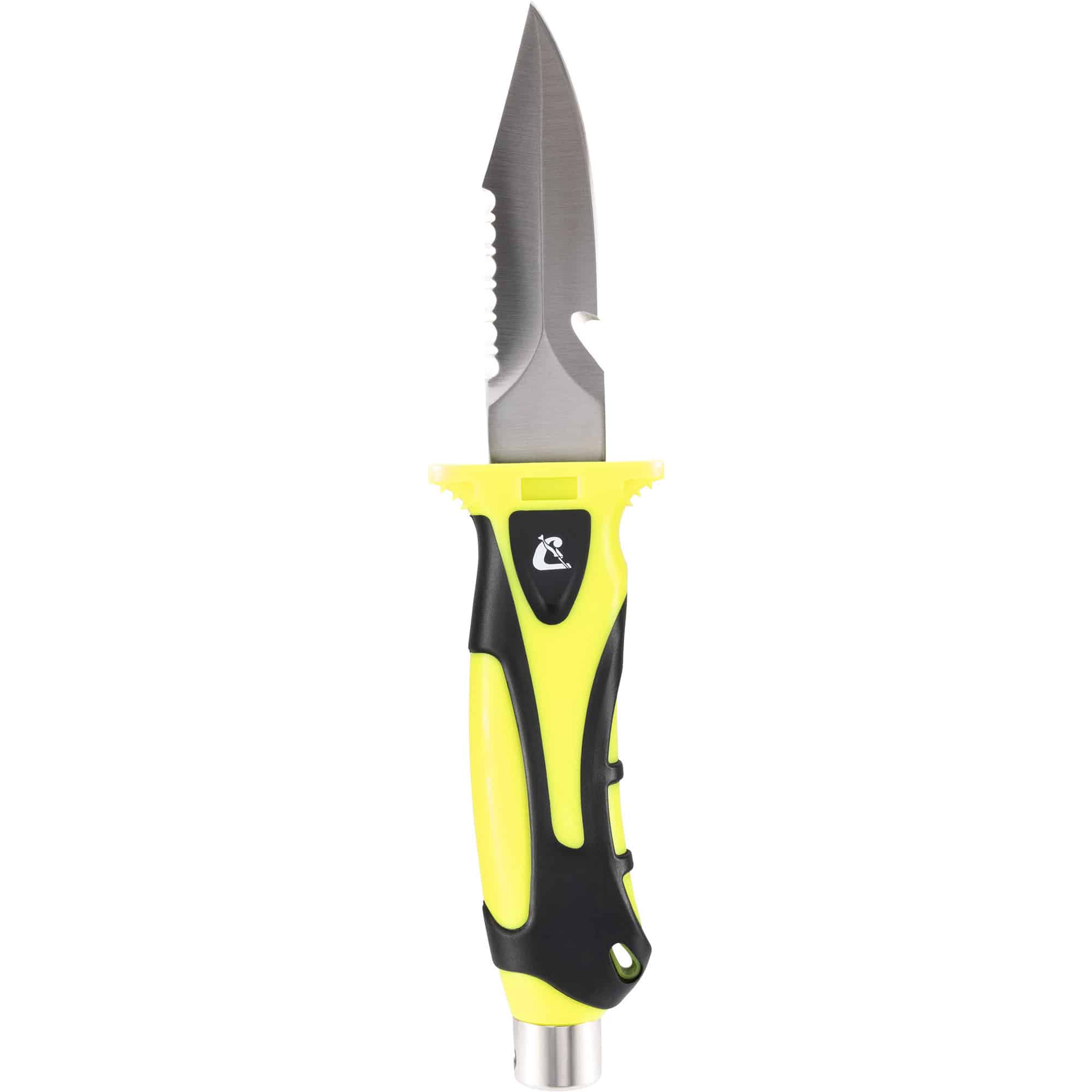 Cressi Argus SB Dive Knife Cressi Argus SB Dive Knife |
$59.95 | Compact, secure in its sheath, and easy to reach. Practical rather than oversized, which is exactly what you want on a dive. |
A spearfishing gear bag isn’t usually the first item to obsess over, but it gets useful fast once your kit grows. Mask, snorkel, fins, socks, gloves, belt, floatline, and small accessories have a way of spreading out in the truck, hotel room, or dock box. A dedicated bag keeps your setup together and makes it easier to notice what’s missing before the boat leaves. When you reach that point, something like the Cressi Walrus Bag handles a full kit without being overkill on day one.
A freediving lanyard is more specialized. Most beginners don’t need to make it a day-one purchase for basic reef-focused freediving and spearfishing. If your training goals get more advanced, that’s when it’s worth talking through whether a freediving lanyard belongs in your kit.
How to Budget Without Buying Twice
Spearfishing costs vary widely because there are so many ways to build a kit. You can keep things simple, or you can spend heavily on premium versions of every item. The smarter question isn’t “how much can I buy?” It’s “what should I buy first so I don’t replace it immediately?”
Spend carefully on fit-dependent gear: mask, fins, exposure protection, and belt setup. These pieces shape your comfort every time you get in the water. A bargain mask that leaks isn’t a bargain. Fins that don’t fit aren’t beginner-friendly. A poorly chosen belt makes every dive feel off.
Where can you keep it simple? Snorkels, basic accessories, and some early support pieces don’t need to become luxury purchases. Simple and reliable beats fancy. Save the bigger upgrades for when you know your diving style better.
This is the main reason starter kits can be helpful but risky. A kit might bundle useful basics, but it can also include pieces that don’t fit you well or don’t match your plans. If every item in the kit makes sense, great. If you’re compromising on the mask or fins just to get a package deal, slow down.
Starter Kit or Custom Setup?
Both approaches can work. The right choice depends on how much you already know about your fit, your comfort in the water, and your goals for the first season.
| Approach | When it works | Watch out for |
|---|---|---|
| Pre-built starter kit | You want convenience and the included pieces genuinely fit your needs. | One weak item can drag down the whole kit, especially mask or fins. |
| Custom setup | You want better fit and local guidance for each piece. | It takes more conversation and decision-making up front. |
| Hybrid approach | You use a kit for simple items and customize fit-critical gear. | You still need to avoid buying duplicates or unnecessary extras. |
For most Florida Keys beginners, the hybrid approach makes the most sense. Get help choosing the pieces that have to fit your body, then keep the rest simple and practical. That gives you a clean path into the sport without turning your first purchase into a guessing game.
Do You Need a Boat to Start?
You don’t need to own a boat to start learning the gear and water skills that support spearfishing. Most beginners start by building comfort with mask, snorkel, fins, breath-up routines, duck dives, and general freediving movement before worrying about more advanced access.
That said, where you go matters. Conditions, access, current, visibility, and local rules all affect what’s appropriate. If you’re visiting the Keys and trying to make smart choices, start with a local conversation rather than assuming any shoreline or reef plan is automatically beginner-friendly.
Captain Hook’s can help you explore the water in ways that match your comfort level, whether you’re starting with Florida Keys snorkeling trips, building broader water confidence through scuba diving in the Florida Keys, or stopping into the shop to talk gear before your next adventure.
Florida Keys Buying Checklist Before You Spend
Use this as a final gut check before you buy beginner spearfishing gear. If the answer is “I’m not sure,” that’s your cue to ask someone who dives these waters.
- Does the mask seal on your face without over-tightening?
- Can you wear the fins comfortably with the socks you plan to use?
- Does your exposure protection match the day, the season, and your comfort level?
- Have you talked through your spearfishing weight belt setup instead of guessing?
- Are you choosing a pole spear or speargun because it fits your skill level, not because it looks impressive?
- Do you understand how your float, flag, floatline, and stringer fit into the plan?
- Do you have a way to carry and organize everything so small pieces don’t get left behind?
Get Geared Up With People Who Dive These Waters
The right spearfishing gear for beginners isn’t about buying the most gear. It’s about buying the right gear in the right order: mask and fins that fit, a simple snorkel, exposure protection that makes sense, a weight belt setup you understand, and a hunting tool you can handle with confidence.
If you’re in Marathon, stop by Captain Hook’s and talk with a crew that actually dives, snorkels, fishes, and works these waters. We can help you compare options, avoid the wrong kit, and build a setup that feels good from the first swim instead of the third return trip to exchange gear.
When you’re ready, visit our Marathon dive shop and marina, check options through Captain Hook’s online booking, or learn more about the crew behind the counter on our Captain Hook’s story. Get the right kit, ask the real questions, and head for the water with confidence.
Frequently asked questions
What is the best spearfishing gear for a beginner in the Florida Keys?
The best spearfishing gear for a beginner is the kit that fits well, feels comfortable, and matches the water you’ll actually dive. Start with a mask that seals, fins you can kick efficiently, a simple snorkel, and exposure protection that makes sense for warm-water reef diving. From there, add a weight belt once you understand how your body and gear are floating together.
What freediving gear should a beginner buy first?
Start with the pieces that affect every dive: mask, fins, and snorkel. If you plan to spend real time in the water, add exposure protection that keeps you comfortable and a belt setup you understand before you worry about hunting gear. That order keeps your first purchases useful whether you’re snorkeling, freediving, or just learning the water.
Do I need a spearfishing weight belt right away?
Not always, but most divers eventually need one once they start diving weighted. The important part is not buying blindly or copying someone else’s setup. Your belt should work with your body, your exposure protection, and the kind of diving you’re doing, so it’s worth getting that piece sorted carefully.
What is a freediving lanyard used for, and do beginners need one?
A freediving lanyard is a more specialized piece of gear mainly used in certain training or dive setups. Most beginners don’t need to start there, especially if they’re still learning basic freediving movement and beginner spearfishing gear choices. It makes more sense to add later if your diving style and training goals call for it.
Can I use regular snorkeling gear as beginner spearfishing gear?
Sometimes you can start there, but snorkeling gear and freediving spearfishing gear aren’t always the same thing. Regular snorkeling gear can be fine for learning comfort in the water, but spearfishing usually calls for better fin efficiency, a mask that fits well, and a setup that stays out of the way when you dive. If your gear feels clunky on the surface, it usually feels worse once you start making repeated descents.